
Introduction
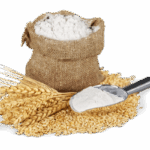
Indian flour wholesale Singapore is an important sourcing consideration for restaurants, caterers and F&B businesses that rely on consistent ingredient quality and dependable supply.
From freshly prepared chapatis and tandoori naan to crispy pakoras and traditional sweets, different dishes require specific types of flour. Choosing the right atta, maida or besan can influence food quality, kitchen efficiency and overall operating costs.
For commercial kitchens, purchasing decisions go beyond selecting the right flour. Consistent quality, suitable packaging, competitive bulk pricing and reliable delivery arrangements are equally important.
As an established Indian food wholesale supplier in Singapore, Dashmesh supports restaurants, caterers and other commercial food businesses with their ingredient sourcing requirements.
This guide explores the differences between atta, maida and besan, key considerations when buying flour in bulk and practical ways to improve procurement efficiency.
1. Atta: Whole Wheat Flour for Chapati, Roti and Paratha
Atta is a finely milled whole wheat flour commonly used to prepare traditional Indian breads, including chapati, roti and paratha.
Unlike refined wheat flour, atta retains the bran and germ, giving it a characteristic flavour and texture.
For restaurants preparing Indian breads throughout the day, flour consistency is particularly important. Differences in milling and water absorption can affect dough handling, cooking performance and the softness of the finished bread.
What restaurants should consider when purchasing atta:
- Milling consistency: A suitable flour texture helps maintain consistent dough preparation.
- Water absorption: Different atta products may require adjustments to dough hydration.
- Cooking performance: Test whether the flour produces the desired softness and texture.
- Purchasing quantities: Match order volumes to daily bread production and available storage capacity.
Restaurants should evaluate a prospective flour product using their existing recipes and cooking equipment before committing to substantial quantities.
2. Maida: Refined Wheat Flour for Naan, Bhatura and Bakery Products
Maida is a refined wheat flour widely used in Indian cooking, particularly for naan, bhatura, pastries and traditional sweets.
Its finer texture makes it suitable for preparations requiring smooth dough and specific cooking characteristics.
For commercial kitchens producing naan or other flour-based dishes in high volumes, the performance of maida can affect consistency and preparation efficiency.
Important purchasing considerations include:
- Dough elasticity and ease of handling
- Protein characteristics suitable for the intended recipe
- Texture after baking or frying
- Consistency between different batches
- Storage requirements and packaging integrity
Not all maida products perform identically. Restaurants should test potential alternatives before changing an established recipe or bulk purchasing arrangement.
3. Besan: Gram Flour for Pakoras, Kadhi and Traditional Sweets
Besan, typically produced from ground chana dal, is another essential ingredient in Indian cuisine.
It is commonly used for pakoras, kadhi, dhokla, savoury batters and traditional sweets such as besan ladoo.
Unlike atta and maida, which are wheat-based, besan is produced from legumes.
Pure besan does not naturally contain gluten. However, restaurants preparing food for customers with gluten-related dietary requirements should verify product labelling and consider possible cross-contact during manufacturing and food preparation.
The Singapore Food Agency’s guidance on food allergies and intolerances provides useful information about allergen declarations and precautions.
When selecting besan for commercial use, consider:
- Flour fineness and consistency
- Freshness and flavour
- Batter performance during frying
- Packaging integrity and moisture protection
- Product specifications and allergen information
Choosing the appropriate besan can help kitchens maintain consistent results across different dishes and preparation methods.
4. Atta, Maida and Besan: Which Flour Does Your Kitchen Need?
| Flour | Common uses | Main consideration |
|---|---|---|
| Atta | Chapati, roti, paratha | Dough handling and bread softness |
| Maida | Naan, bhatura, pastries | Texture and cooking performance |
| Besan | Pakora, kadhi, dhokla, ladoo | Fineness, freshness and batter consistency |
For restaurants preparing a wide range of Indian dishes, all three flours may form part of the regular purchasing list.
Selecting the right flour should begin with the restaurant’s menu, recipe specifications and daily production requirements.
5. What Restaurants Should Consider When Buying Indian Flour in Bulk
Consistent Quality and Reliable Sourcing
In commercial kitchens, consistent ingredients help maintain standardised recipes and predictable preparation times.
A change in flour quality can affect water absorption, dough handling and cooking results, potentially requiring adjustments by kitchen staff.
When evaluating an Indian flour supplier, purchasing managers should consider product consistency, availability and the ability to support their operational requirements.
For a broader perspective, read our guide to choosing an Indian grocery supplier for restaurants in Singapore.
Appropriate Bulk Purchasing Quantities
Purchasing flour in larger quantities can offer commercial advantages, but businesses must consider how quickly their stock will be used.
Overordering can increase storage costs and the risk of spoilage, while insufficient stock can interrupt kitchen operations.
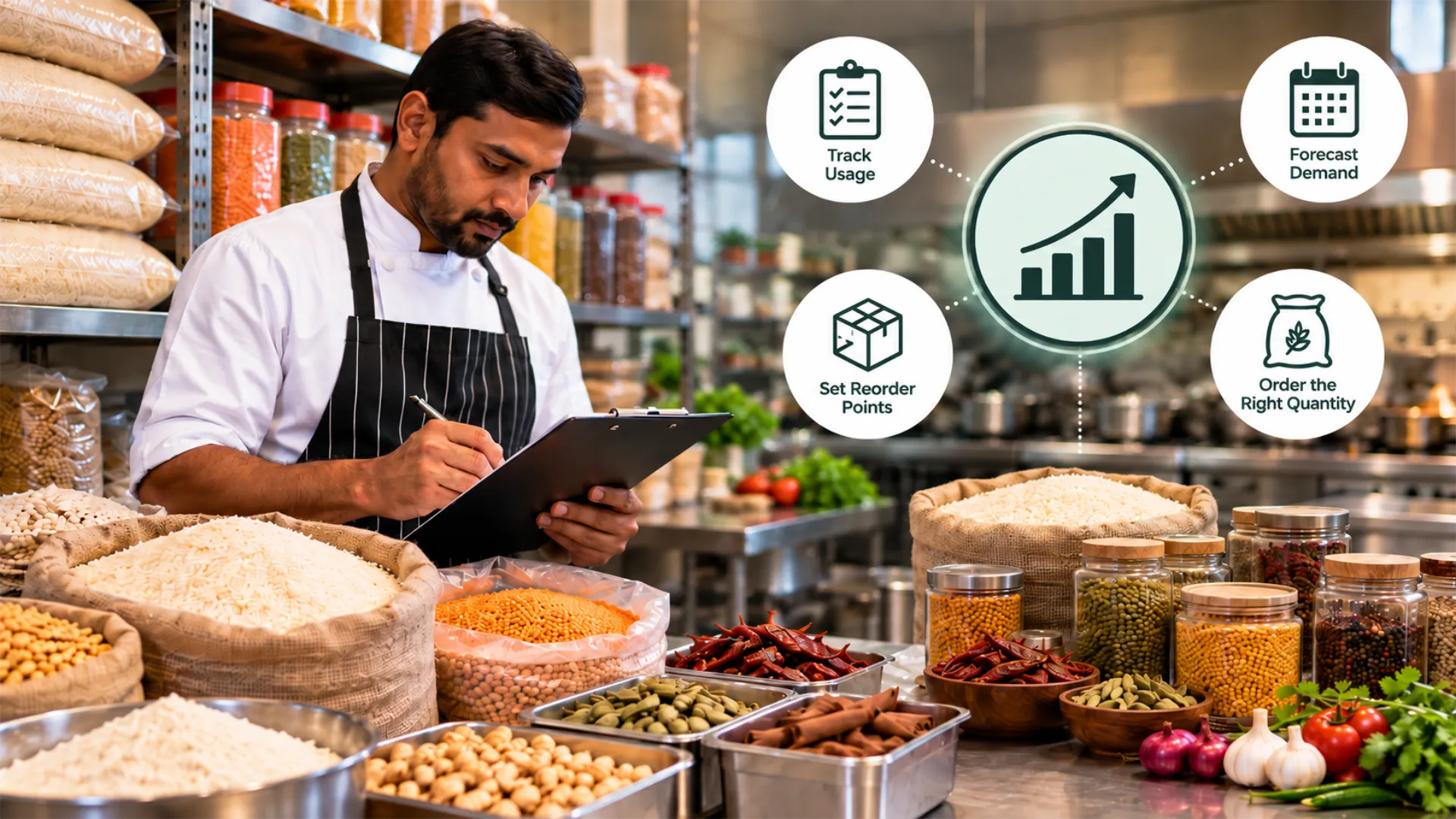
Restaurants should review their actual consumption patterns, menu demand and purchasing frequency before establishing bulk order quantities.
Inventory Planning and Cost Control
Understanding ingredient consumption is essential for managing food costs effectively.
For example, a restaurant can estimate its monthly atta requirement by recording the quantity used per serving and multiplying it by expected daily production.
Purchasing managers should consider seasonal demand, special events and other factors that could influence consumption.
For practical advice, explore our article on restaurant inventory management in Singapore.
Delivery and Reordering Arrangements
Reliable procurement involves more than purchasing ingredients at competitive prices.
Restaurants and catering businesses should discuss order lead times, available quantities and delivery arrangements with their suppliers.
Establishing clear reordering procedures can help reduce unexpected stock shortages and support more efficient kitchen operations.
6. Proper Flour Storage in Singapore’s Humid Climate
Singapore’s warm and humid conditions make proper storage particularly important for dry ingredients.
Flour exposed to excessive moisture or poor storage conditions may experience deterioration, pest contamination or mould growth.
The Singapore Food Agency’s food safety tips recommend storing dried foods in cool, dry conditions and keeping opened products in suitable airtight containers.
Commercial kitchens should follow several practical precautions:
- Store flour in a clean, dry and well-ventilated area.
- Keep sacks and containers off the floor and protected from pests.
- Transfer opened flour into clean, sealed, food-grade containers.
- Label containers with the product name and relevant stock dates.
- Monitor stock rotation and follow the product’s stated storage instructions.
- Inspect packaging and discard flour showing signs of infestation, mould or spoilage.
Good storage practices help protect product quality, minimise wastage and support safer food preparation.
7. Why Choose an Established Indian Food Wholesaler in Singapore?
Restaurants and caterers frequently require more than flour alone.
Common purchasing requirements also include basmati rice, lentils, spices, ghee and other essential ingredients used in Indian and South Asian cuisine.
Working with an established wholesale supplier may allow businesses to coordinate multiple ingredient requirements through a single purchasing relationship.
Established in 1985, Dashmesh Singapore has developed a food distribution business serving restaurants, retailers, hotels and other customers across Singapore.
The company’s product portfolio includes Indian and South Asian food provisions, supported by established supply and distribution relationships.
Dashmesh also offers its own signature brands, including Malika and Temasek Gold, which cover a range of essential ingredients used by households and foodservice businesses.
For restaurant operators, working with an experienced distributor can simplify the process of sourcing different categories of ingredients while maintaining established purchasing relationships.
Beyond flour, businesses can also explore Dashmesh’s lentils and dals and spices for their kitchen requirements.
8. How to Enquire About Wholesale Flour Supply
Before contacting a supplier, restaurants and caterers should prepare a clear outline of their requirements.
Useful information includes:
- Flour type: Atta, maida, besan or other flour varieties
- Intended application: Chapati, naan, snacks, bakery products or traditional sweets
- Estimated quantity: Expected weekly or monthly consumption
- Packaging requirements: Preferred pack sizes, where available
- Delivery location: Restaurant, catering kitchen or other commercial premises
- Purchasing frequency: One-off purchases or recurring supply requirements
These details allow the supplier to assess the enquiry and confirm product availability, relevant specifications, pricing and delivery arrangements.
Frequently Asked Questions
Where can I enquire about Indian flour wholesale in Singapore?
Restaurants and caterers can contact established Indian food distributors, including Dashmesh Singapore, to discuss flour requirements and confirm current availability, packaging options and wholesale pricing.
What is the difference between atta and maida?
Atta is whole wheat flour commonly used for chapati and roti. Maida is refined wheat flour frequently used for naan, bhatura, pastries and other preparations requiring a finer flour texture.
Is besan gluten-free?
Pure besan made from chana dal does not naturally contain gluten. However, commercial kitchens must check product labels and consider possible cross-contact before describing a dish as gluten-free.
Is buying flour in bulk more cost-effective?
Bulk purchasing may reduce the unit price, but overall savings depend on consumption, storage conditions, delivery costs and the risk of wastage. Restaurants should evaluate total purchasing costs rather than price per kilogram alone.
Can Dashmesh supply other ingredients for Indian restaurants?
Dashmesh distributes a wide range of Indian and South Asian food products, including rice, lentils, spices and other everyday cooking ingredients for foodservice and wholesale customers.
Source Indian Food Ingredients With Dashmesh Singapore
Reliable sourcing is essential for maintaining consistent food quality and smooth kitchen operations.
Whether your restaurant is reviewing its flour purchasing requirements or looking for a supplier of Indian and South Asian food provisions, Dashmesh Singapore offers an established distribution network and experience serving commercial customers.
Contact Dashmesh to discuss your ingredient requirements, enquire about current flour availability and request wholesale pricing.
Telephone: +65 6272 9921
Email: sa***@**********om.sg