
Introduction
Indian lentils are among the most reliable, nutritious, and time-tested foods in the world. A daily staple in Indian cooking, they form the backbone of meals that are affordable, well-balanced, and deeply satisfying. Appearing in countless forms – from simple dal to gently spiced curry-style dishes – Indian lentils adapt easily to modern kitchens and a variety of cooking styles, including those with lemon juice and red chili powder.
This in-depth guide explores indian lentils from every meaningful angle. You’ll learn what they are, why they matter culturally, how they nourish the body, and how to cook them properly. Whether you’re new to lentils or already cook them often, this article aims to deepen your knowledge and boost your confidence in preparing them.
What Are Indian Lentils
Indian lentils are edible legumes that are dried and used whole or split. In Indian cooking, lentils are commonly called dal. While the word dal can describe both the raw lentil and the cooked dish, context usually makes the intended meaning clear.
Definition and Classification
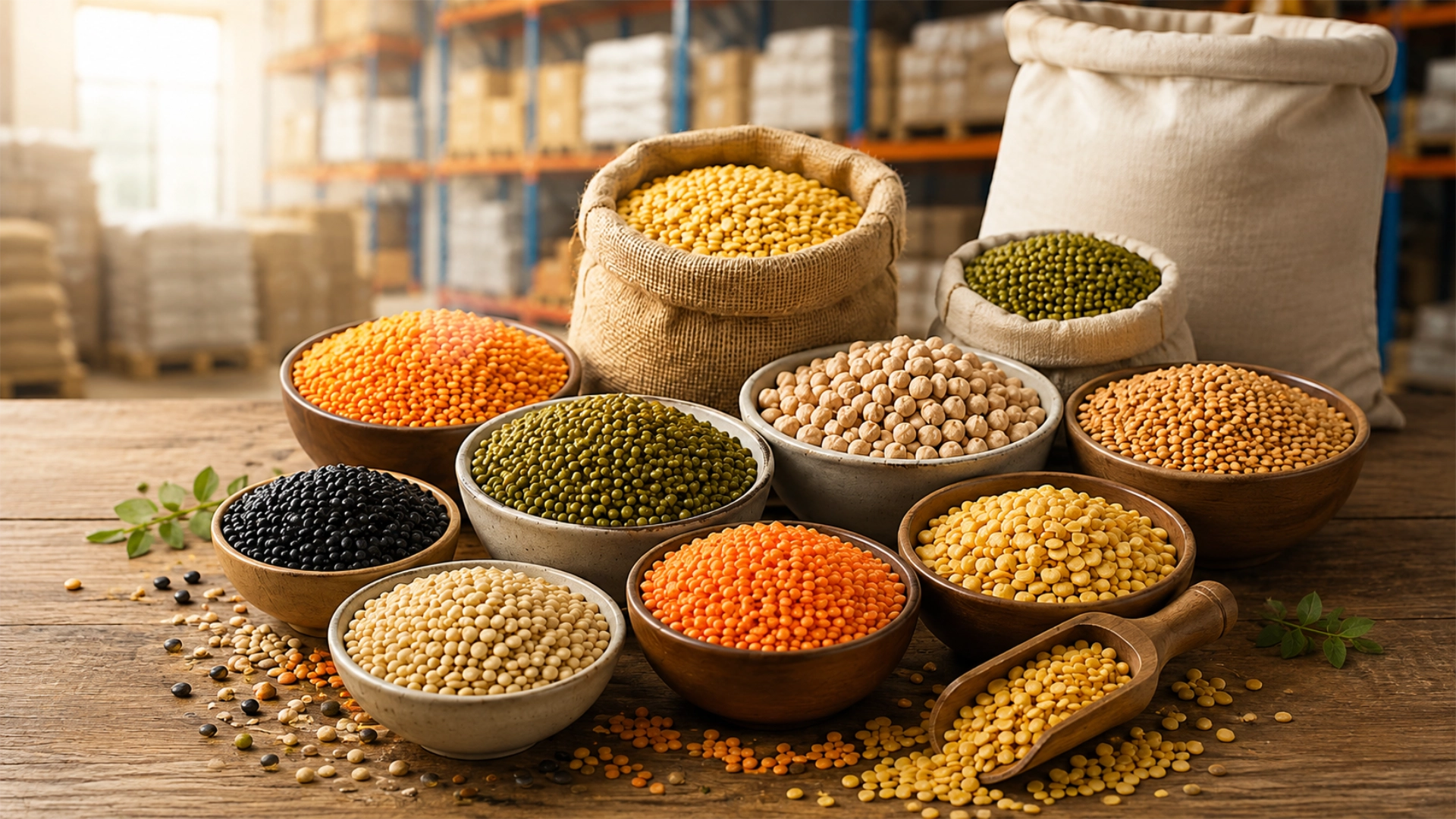
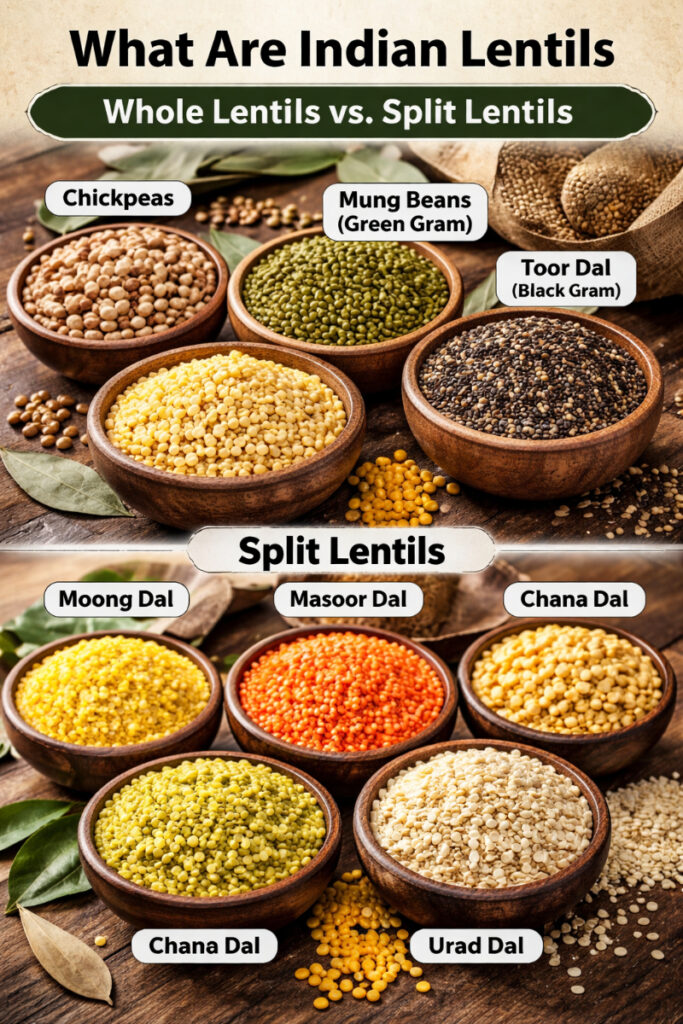
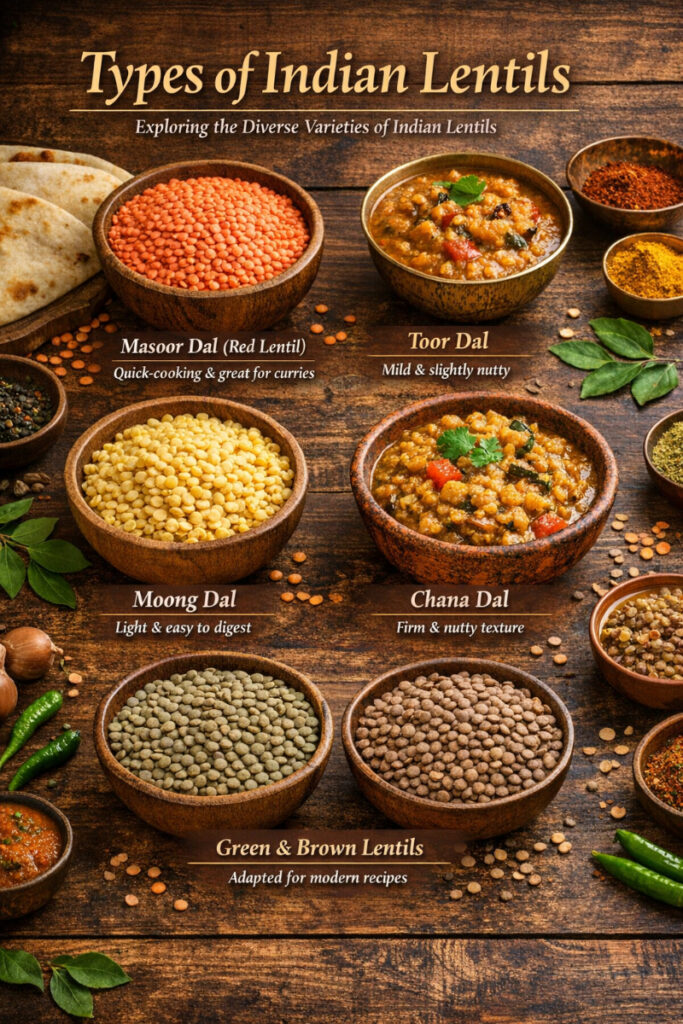
Indian lentils include varieties such as masoor dal (red lentil), toor dal, moong dal, and chana dal, each perfect for different curry dishes. These lentils differ in size, color, cook time, and texture, making them suitable for many styles of Indian food.
Whole Lentils vs Split Lentils
Whole lentils keep their outer skin intact, which usually means they require longer cooking and hold their shape well. Split lentils, with the skin removed and the seed split in half, cook more quickly and yield creamier, smoother textures. Cooks choose between them depending on the dish and the desired consistency.
Cultural Importance of Indian Lentils
Indian lentils hold a quiet but powerful place in India’s cultural and culinary identity. More than just an ingredient, they represent balance, nourishment, and practicality – values deeply rooted in traditional Indian life. Across regions, Indian lentils appear in religious offerings, fasting meals, and celebratory feasts, adapting easily to local customs and beliefs. Whether prepared as a simple lentil dal, a comforting indian lentil curry, or a richer dish like dal makhani, lentils connect generations through shared food traditions and familiar Indian flavors.
Over centuries, Indian cooking techniques evolved to make lentils both flavorful and easy to digest. The use of Indian spices, curry leaves, and methods such as dal tadka helped enhance aroma and taste while keeping lentils gentle on the stomach. These practices allowed lentils to remain a daily staple while still feeling satisfying and complete.
Historical Roots in Indian Food
Cultivated for thousands of years, Indian lentils are mentioned in ancient texts as essential staples of everyday nourishment. Their long shelf life, affordability, and adaptability made them ideal for sustaining large populations. Early Indian cuisine relied on different dal preparations using whole lentils and split lentils, including toor dal, chana dal, and yellow lentils, long before written dal recipes existed.
Because lentils were widely available, they shaped agricultural practices and cooking traditions across regions. From north Indian kitchens to rural farming communities, lentils were used in Indian households as a dependable source of nutrition, influencing what later became classic Indian food recipes and everyday lentil dishes.
Role in Daily Indian Cooking
In many Indian homes, lentils are cooked every single day. A pot of dal – made by choosing from various types of lentils, then gently heating them with water until the lentils are simmered and softenc-cis central to a balanced Indian meal. Once the lentils are cooked, spices, onion, garlic, and sometimes green chili are added, transforming plain lentils into deeply satisfying Indian dal.
Dal is most often served with lentils and rice, typically basmati or even brown rice, making it a complete and nourishing combination. Whether it’s a simple yellow dal, a mildly spiced indian red preparation, or a creamier style enjoyed at an Indian restaurant, cooked dal remains both a main dish and a comforting side dish.
While the methods are rooted in tradition, Indian lentils have adapted smoothly to modern kitchens. Today, many families cook the lentils using an instant pot pressure cooker, reducing cook time while still achieving soft lentils and familiar flavors. This blend of old and new shows how Indian lentils continue to thrive – equally at home in easy Indian weekday meals and time-honored family gatherings.
Nutritional Profile of Indian Lentils
Indian lentils are true nutritional powerhouses, offering a rare combination of protein, fiber, and essential micronutrients in a naturally plant-based form. Because they are versatile and gentle on digestion, Indian lentils are widely used in Indian meals ranging from simple home cooking to dishes served in an Indian restaurant.
Protein and Amino Acids
Lentils are an excellent source of plant-based protein, making them a valuable addition to vegetarian and plant-forward diets. Indian lentils are often paired with grains such as rice, creating a complete amino acid profile that supports muscle maintenance and tissue repair. This combination – commonly enjoyed as lentils and rice – has long been a foundation of the traditional Indian meal, delivering sustained energy without heaviness.
Different types of lentils, including toor dal, chana dal, and yellow lentils, vary slightly in protein content, allowing flexibility in meal planning while maintaining nutritional balance.
Fiber and Digestive Health
Indian lentils are rich in both soluble and insoluble fiber, which supports digestive regularity and helps maintain stable blood sugar levels. The fiber content also promotes fullness, which may aid in appetite control. In traditional Indian cooking, lentils are prepared with care – often rinsed thoroughly, then gently heated until the lentils are simmered and tender. This slow process helps ensure the lentils are cooked evenly and remain easy to digest.
Whether prepared from split lentils or whole lentils, properly cooked lentils form a soft, comforting base for many vegetable dishes and mild curries.
Vitamins and Minerals
Indian lentils provide a wide range of essential vitamins and minerals, including iron, folate, potassium, magnesium, and B vitamins. These nutrients play important roles in oxygen transport, nerve function, heart health, and immune support. Because lentils are often seasoned with basic Indian spices, their nutrient absorption may be further supported while enhancing flavor.
For readers interested in evidence-based nutritional data, detailed research on lentils is available at
https://www.healthline.com/nutrition/lentils
Types of Indian Lentils
Indian lentils come in many forms, each offering distinct textures, flavors, and uses in Indian cuisine. Understanding the different varieties helps explain why lentils remain so adaptable in both traditional Indian kitchens and modern cooking.
Masoor Dal (Red Lentil)
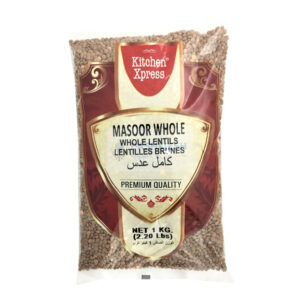
Masoor dal, commonly known as red lentil, is one of the fastest-cooking Indian lentils. Because it softens quickly, it’s ideal for smooth preparations such as lentil dal and mild Indian lentil curry dishes. Masoor dal is frequently featured in everyday Indian recipes, including simple dals and lighter curries similar to a red lentil curry recipe found in many households.
Toor Dal
Toor dal is mild, slightly nutty, and widely regarded as a cornerstone of Indian cooking. It forms the base of many classic dals served in homes and Indian restaurants, especially in north Indian and western regions. Toor dal is often used when families make dal as part of a comforting Indian meal, typically paired with rice or flatbread.
Moong Dal
Moong dal is light, gentle, and easy to digest. Often prepared as yellow dal using yellow lentils, it’s commonly recommended for children, seniors, and recovery diets. In Indian food traditions, moong dal is valued for its mild flavor and is frequently included in simple lentils recipe preparations that focus on nourishment rather than heavy spice.
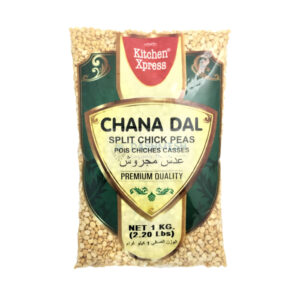
Chana Dal
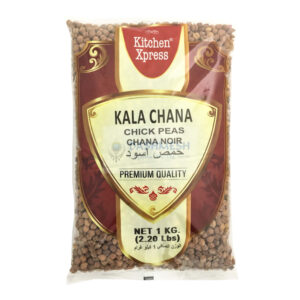
Chana dal is firm, nutty, and holds its shape well during cooking. This makes it suitable for heartier lentil dishes and thicker curries. In many Indian food recipes, chana dal is used when cooks want texture rather than softness, especially in dishes where lentils are combined with vegetables or lightly spiced gravies.
Green Lentils and Brown Lentils
While green lentils and brown lentils are not traditional staples, they are sometimes adapted into Indian-style dishes. These lentils may appear in modern interpretations of Indian dal or fusion-style Indian curries, seasoned with familiar Indian spices to mimic classic flavors. Though less common, they show how Indian lentils continue to evolve within contemporary cooking.
Indian Lentils Across Life Stages
Indian lentils are adaptable foods that support nutritional needs across all stages of life, making them a reliable foundation of Indian cuisine.
Children
Indian lentils provide high-quality protein, iron, and steady energy needed for growth and development. Mild preparations such as yellow dal or soft lentil dal made from split lentils are commonly used in child-friendly Indian food recipes because they’re gentle on digestion and easy to eat.
Adults
For adults, Indian lentils help maintain muscle mass and provide sustained energy throughout the day. Lentil-based meals – often served as lentils and rice – are a practical option for busy lifestyles and are widely included in easy Indian home cooking.
Seniors
For seniors, soft lentils are especially beneficial. Properly prepared lentils are easy to chew, simple to digest, and nutrient-dense, making them ideal for daily meals without excessive heaviness.
Cooking Indian Lentils
Cleaning and Soaking
Before cooking, Indian lentils should always be rinsed thoroughly to remove dust and debris. Some whole lentils and firmer varieties benefit from soaking, which helps reduce cook time and improves texture when the lentils are cooked.
Cooking Methods
Indian lentils can be prepared using traditional stovetop methods or modern tools such as an instant pot pressure cooker. Many home cooks note they’ve used an Instant Pot to shorten preparation time while still achieving familiar textures and flavors.
Timing and Texture
Cook time depends on the types of lentils used. Split lentils cook faster, while whole lentils require more time. Salt should be added only after the lentils soften. When preparing richer dishes that include coconut milk or garam masala, timing is especially important so the dal is cooked evenly and remains smooth rather than grainy.
Spices Used With Indian Lentils
Common Indian Spices
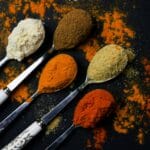
Indian lentils are typically seasoned with basic Indian spices such as cumin, turmeric, ginger, garlic, and chili powder. These ingredients define familiar Indian flavors and support digestion while enhancing aroma.
Dal Tadka Technique
Dal tadka is a finishing technique where oil or ghee is heated with cumin seeds, onion, garlic, and sometimes green chili. This aromatic mixture is poured over cooked dal, adding depth and richness without overpowering the lentils.
Indian Lentils in Modern Diets
Indian lentils fit naturally into modern eating patterns. They are gluten-free, affordable, and environmentally sustainable. Whether prepared as a simple dal, a light lentil dish, or a vegetable-forward curry, Indian lentils remain relevant in today’s kitchens while preserving the essence of Indian cooking.
Storage and Shelf Life
Dry Indian lentils should be stored in airtight containers in a cool, dry place to maintain quality for future meals. Proper storage ensures lentils are always ready when you add lentils to soups, dals, or curry-style dishes. Cooked lentils can be refrigerated for up to four days, making them convenient for meal prep and repeat Indian meal planning.
Frequently Asked Questions
Are Indian lentils healthy for daily consumption?
Yes. Indian lentils are safe and nutritious for everyday meals. They provide plant-based protein, fiber, and key minerals and are widely used in Indian cuisine as dal, lentil curry, or simple lentils and rice.
Do Indian lentils need soaking before cooking?
Some do. Whole lentils and firmer varieties such as chana dal benefit from soaking, while split lentils like masoor dal and yellow lentils cook quickly without soaking.
Are Indian lentils gluten-free?
Yes. Indian lentils are naturally gluten-free and commonly served as Indian dal or lentil-based side dishes with rice, making them suitable for gluten-sensitive diets.
Can Indian lentils support weight management?
Yes. The protein and fiber in Indian lentils promote fullness and steady energy. Meals such as lentils and rice or a light lentil dish can help reduce overeating.
Do lentils cause digestive discomfort?
They can if not prepared properly. Rinsing, soaking when needed, and ensuring the lentils are cooked until soft improves digestibility. Traditional Indian cooking methods are designed to make lentils gentle on the stomach.
What is the difference between dal and lentils?
Lentils refer to the raw legumes, while dal can mean both the split lentils and the cooked dish. In Indian food recipes, dal describes a wide range of lentil preparations with spices.
Can Indian lentils be part of a sustainable diet?
Yes. Indian lentils require less water than many protein sources and naturally enrich soil. These traits make them a sustainable choice aligned with traditional Indian farming practices.
Conclusion
Indian lentils remain one of the most valuable and enduring foods in the world. Deeply rooted in Indian cuisine – including South Indian traditions – they offer a rare combination of nutrition, affordability, and adaptability that few ingredients can match. From simple daily meals to time-honored preparations, Indian lentils continue to nourish generations with consistency and care.
By understanding the different types of Indian lentils, their nutritional strengths, and the cooking methods that bring out their best qualities, you gain more than culinary knowledge—you gain a practical tool for long-term well-being. Whether served as a comforting dal, paired with rice, or enjoyed as part of a balanced meal, Indian lentils make healthy eating both accessible and satisfying.
In a world increasingly focused on sustainable, plant-based foods, Indian lentils stand out as a timeless solution. They support health, respect tradition, and fit effortlessly into modern kitchens – proving that the simplest foods often offer the greatest value.