
Introduction
For restaurants, retailers, caterers and foodservice buyers in Singapore, dry fruits and nuts are more than pantry items. They are everyday ingredients used in sweets, biryani, bakery products, snack packs, festive hampers and retail grocery shelves. From gourmet cafes and bakeries to health-conscious eateries and traditional confectioneries, these versatile ingredients are staples across numerous food businesses. Finding the right dry fruits and nuts wholesale Singapore supplier is important for restaurants, retailers, caterers, bakeries, minimarts, hotels and foodservice businesses that need steady quality and reliable stock.
Singapore imports more than 90% of its food supply, so businesses need suppliers that can manage product quality, sourcing, packaging, and delivery consistency. For this reason, working with a trusted wholesale food supplier in Singapore can help businesses reduce supply issues and plan their purchases better. This guide helps Singapore food businesses source dry fruits and nuts more confidently in 2026.
Why Dry Fruits and Nuts Are Popular in Singapore
Singapore’s dry fruits and nuts market is diverse and fast-changing. Consumers want good taste and variety, but they also care about origin, quality certifications and health benefits. This translates into a wholesale market that demands a broad spectrum of products, from everyday staples like almonds and raisins to more exotic offerings like goji berries and macadamia nuts.
Key trends shaping the market in 2026 include:
- Sustainability and Ethical Sourcing: Increasingly, businesses and consumers are concerned about the environmental and social impact of food production. Transparency in sourcing and ethical practices are becoming significant purchasing factors.
- Health and Wellness Focus: Consumers are actively seeking out products perceived as healthy. This includes a preference for unsalted, unroasted and minimally processed nuts and dried fruits. The rise of plant-based diets further amplifies this demand.
- Premiumization: More consumers are choosing high-quality products, such as organic nuts, single-origin nuts, and uniquely flavored dried fruits.
- Convenience: Pre-portioned snack packs and ready-to-use ingredients for baking and cooking are gaining traction.
Consumers today are more careful about what they buy. They look for good taste, freshness, product origin, clear packaging, quality standards, and health benefits. Nuts can be part of a balanced diet, but they should be eaten in moderation. HealthHub recommends choosing options such as plain roasted nuts or products with the Healthier Choice Symbol where possible.
Choosing a Dry Fruits and Nuts Wholesale Supplier in Singapore
A good supplier should offer more than just low prices. Business buyers should look for consistent quality, clear product information, proper packaging, reliable stock and responsive customer service.
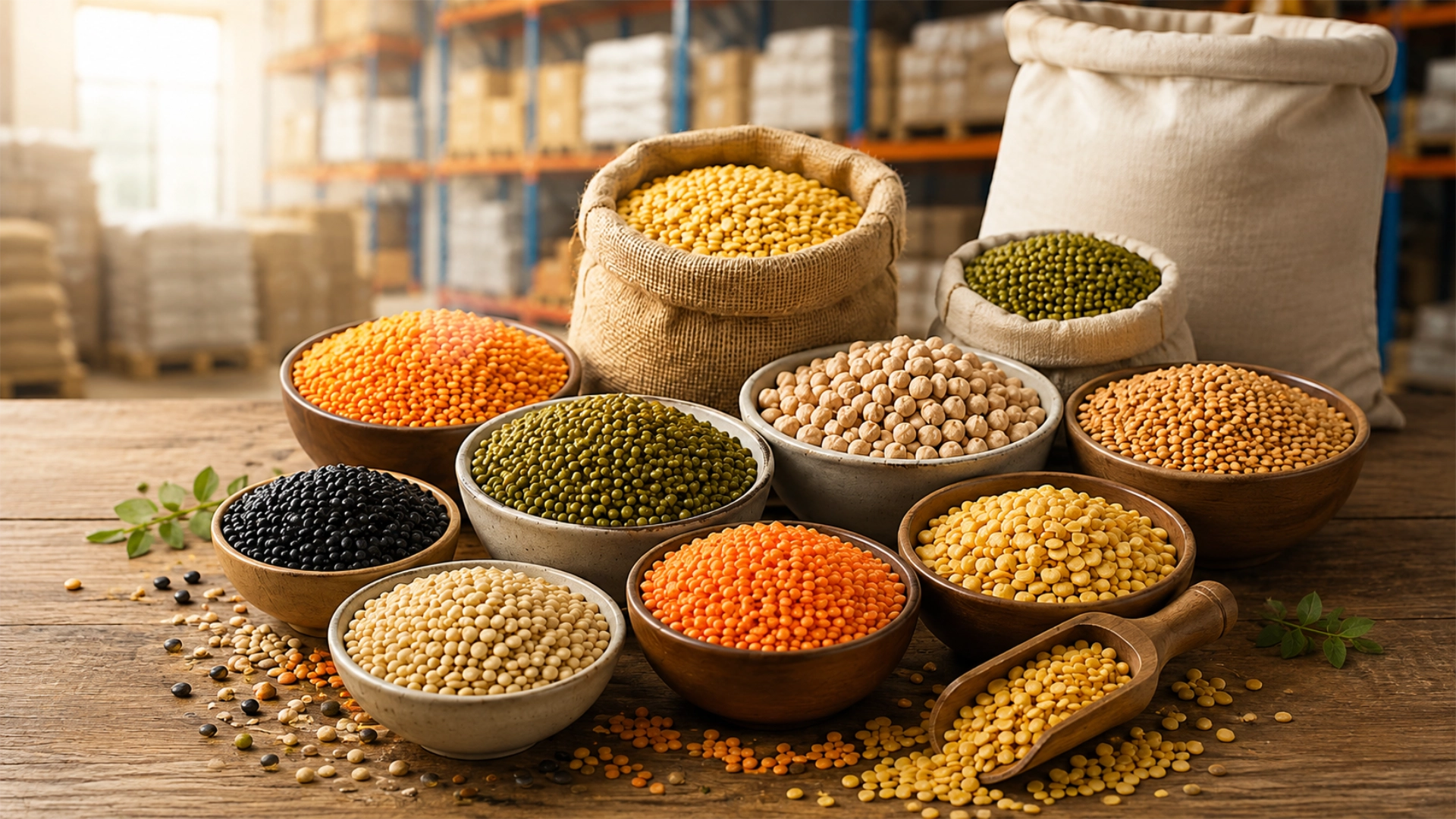
Dashmesh has been operating since 1985 and supplies Indian and Pakistani food products in Singapore. Its product range includes rice, pulses, nuts, spices, frozen items, dairy products, snacks and other grocery products. Businesses looking for an experienced Indian grocery supplier in Singapore can consider suppliers with strong distribution experience and a wide product range.
Dashmesh’s Malika house brand includes Indian groceries such as lentils, spices, dry fruits, nuts and more. Businesses can also browse the Malika product range for related wholesale grocery options.
Key Categories of Dry Fruits, Nuts and Seeds Available Wholesale
Wholesale buyers can choose from three main categories: dry fruits, nuts and seeds. Each category serves different needs across restaurants, retailers, bakeries, caterers and food manufacturers.
1. Dry Fruits
Dry fruits are fruits with most of their water removed. This gives them a longer shelf life and a sweeter, more concentrated flavour.
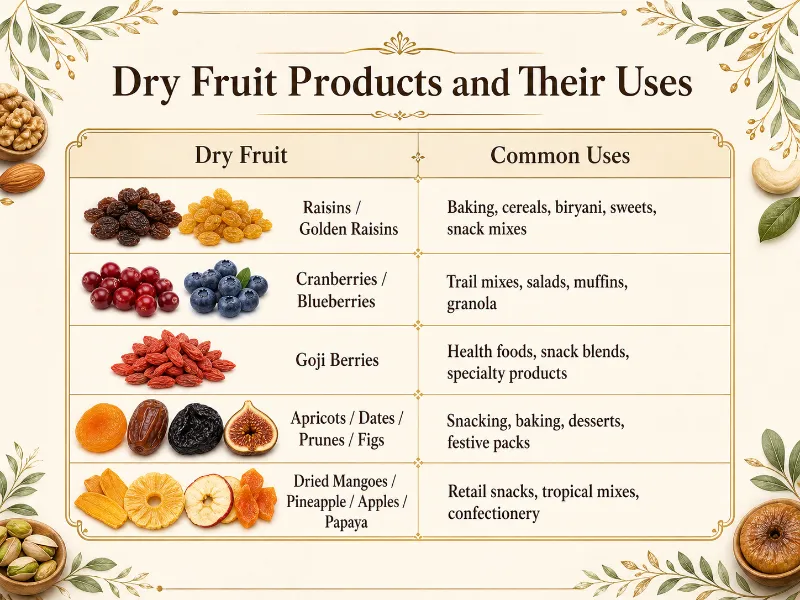
For Singapore food businesses, raisins, dates, apricots and dried mangoes are especially useful because they suit both everyday and festive demand.
2. Nuts
Nuts are popular wholesale products because they are versatile, familiar and easy to use in cooking, baking, snacking and retail packs.
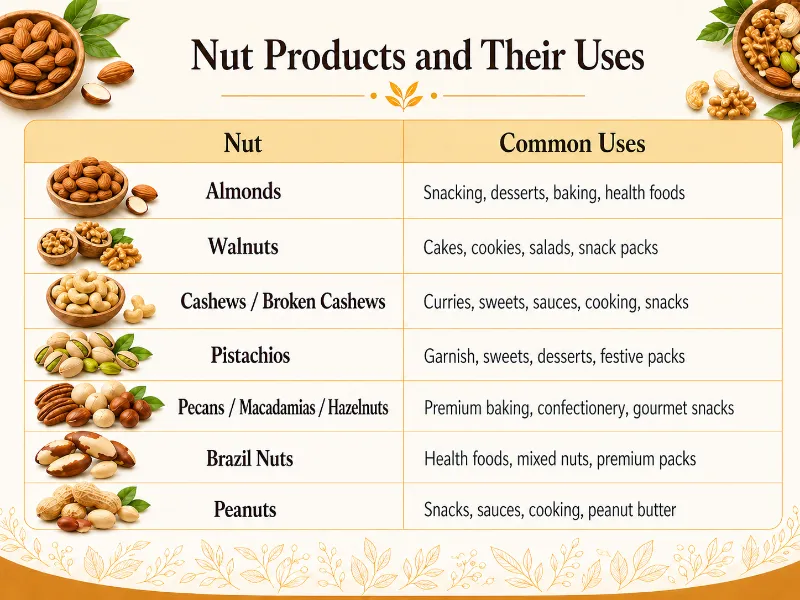
Whole nuts are best for retail packs, gift hampers and garnish. Broken nuts are better for cooking, blending, baking and cost control.
3. Seeds
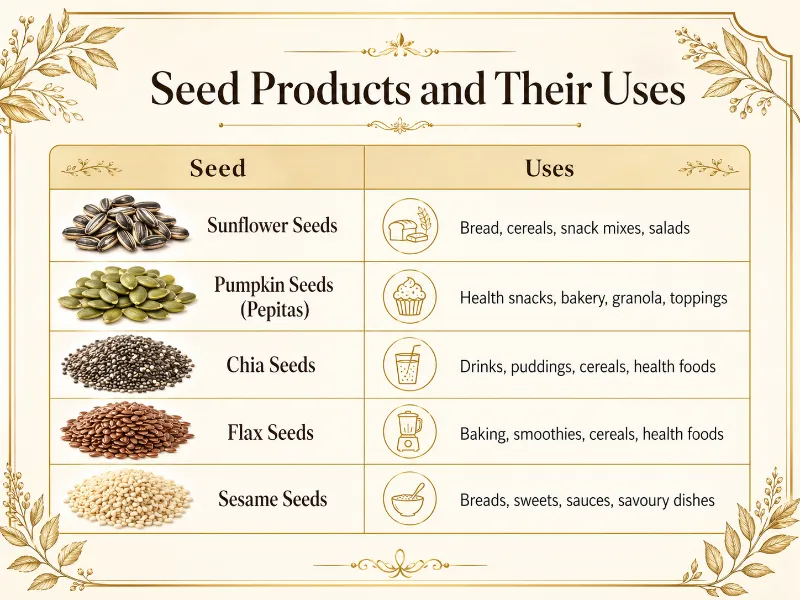
Seeds are often sold alongside dry fruits and nuts, especially for bakery, health food and snack businesses.
9 Smart Buying Tips for Wholesale Dry Fruits and Nuts
1. Check Product Freshness
Freshness is one of the most important factors when buying dry fruits and nuts in bulk. Nuts should taste fresh, not stale or bitter. Dried fruits should have good texture, natural colour, and proper moisture levels.
Before placing a large order, ask for product details, packaging information or samples when available.
2. Look at Product Origin
Product origin means where the product comes from. This matters because different countries are known for different types and grades of nuts and dried fruits.
Knowing the source helps buyers choose products that match their customers’ expectations. It also helps businesses understand quality, taste, and supply consistency.
3. Choose the Right Grade
Wholesale dry fruits and nuts often come in different grades. Grades may depend on size, colour, appearance, texture and processing method.
For retail shelves, premium-looking products may be more suitable. For restaurants, bakeries or food production, broken nuts or smaller grades may be more cost-effective.
4. Check Packaging Options
Good packaging protects dry fruits and nuts from moisture, air, pests, and damage during storage or delivery.
Depending on your business, you may need bulk cartons, vacuum packs, foodservice packs, or retail-ready packs. Choose packaging that suits your storage space, order volume, and customer needs.
5. Understand Food Safety and Labelling
Businesses importing or selling food in Singapore should follow Singapore Food Agency requirements. SFA states that traders importing food for commercial sale must be registered or licensed and must comply with import requirements. (Default)
Prepacked food sold in Singapore must also follow SFA’s labelling requirements. Labels should provide accurate product information, including details such as the food name, ingredients, allergens where applicable, and net quantity. Businesses can refer to SFA’s food labelling requirements for guidance.
6. Compare Price with Quality
The cheapest option is not always the best option. Poor-quality nuts or dried fruits can lead to customer complaints, product wastage, or inconsistent food preparation.
When comparing suppliers, consider freshness, grade, packaging, delivery reliability, product consistency, and service quality.
7. Buy According to Your Usage
Different businesses have different needs.
Restaurants may need cashews, almonds, raisins, and dates for cooking and desserts. Bakeries may need walnuts, pistachios, raisins, dried fruits, and sliced almonds. Retailers may need attractive consumer packs with clear labels.
For larger orders, businesses can also explore Dashmesh’s bulk food items and other wholesale grocery categories.
8. Plan Ahead for Festive Seasons
Demand for dry fruits and nuts often increases during festive periods, weddings, gifting seasons and special events.
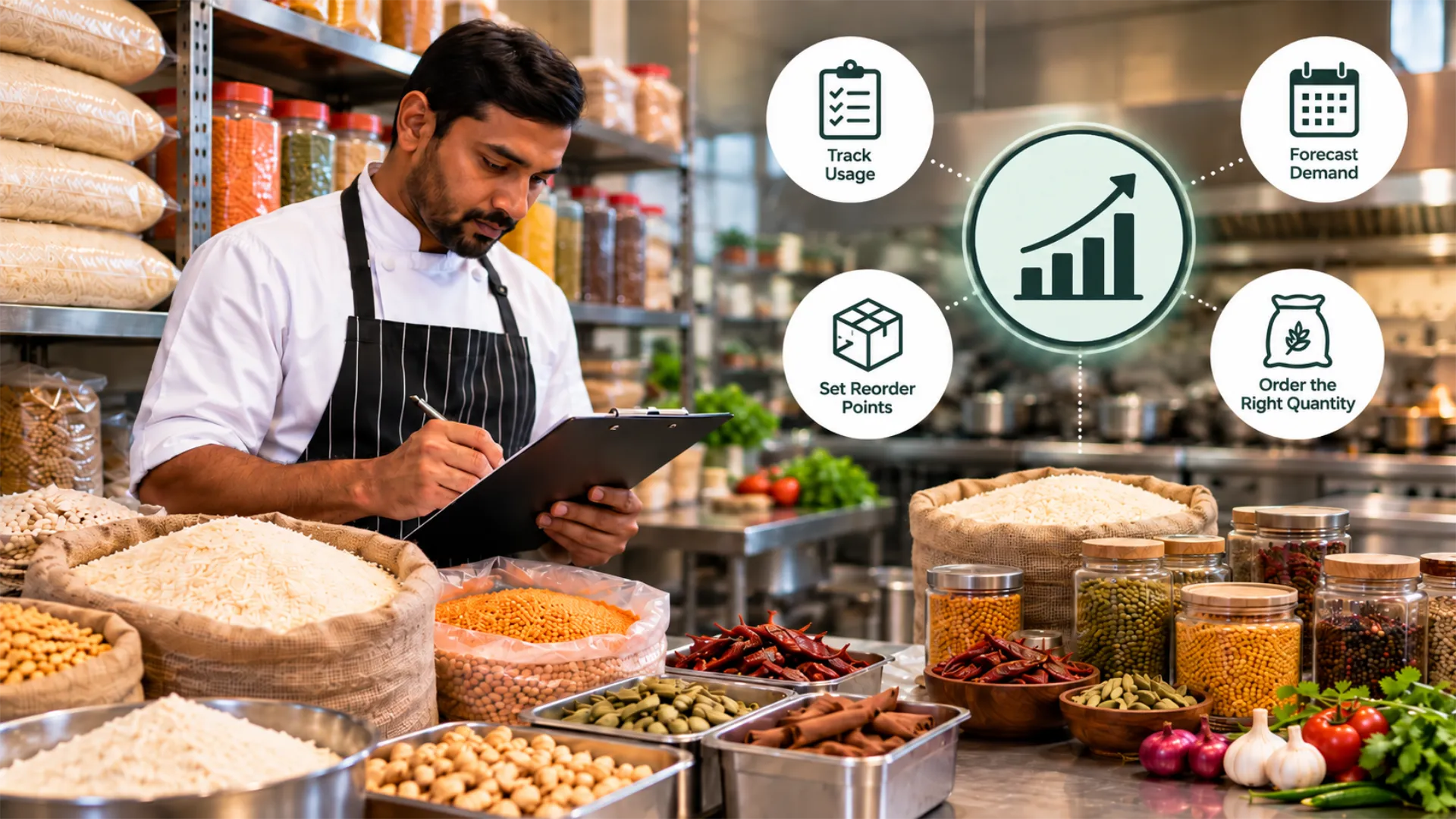
Businesses should plan wholesale orders early to avoid stock shortages, rushed deliveries, or last-minute price changes. For related purchasing guidance, read Dashmesh’s article on restaurant food cost management.
9. Work with a Reliable Supplier
A reliable supplier can help your business save time and avoid supply issues. Look for a supplier with a wide product range, stable stock, proper storage practices, responsive service, and wholesale distribution experience.
Dashmesh states that its warehouse operations support stock rotation, urgent orders, bulk orders, and consistent service levels. This is useful for businesses that need regular supply and dependable delivery.
Premium and Specialty Options
Some buyers are also looking for premium options such as better-grade nuts, specialty dried fruits, mixed nuts, and products from specific countries or trusted suppliers.
These options are useful for retailers, hotels, cafés, hamper companies, and businesses that want to offer something beyond everyday products.
Final Thoughts
Choosing the right dry fruits and nuts wholesale Singapore supplier can make a big difference to your business. A good supplier helps you get fresh products, fair prices, proper packaging, clear product information and reliable delivery.
Whether you need almonds, cashews, raisins, dates, pistachios, walnuts, groundnuts or specialty dried fruits, it is important to work with a supplier that understands wholesale needs and Singapore food business requirements.
For product enquiries or bulk orders, you can contact Dashmesh for a wholesale quote.
FAQ: Dry Fruits and Nuts Wholesale Singapore
1. Where can I buy dry fruits and nuts wholesale in Singapore?
You can buy dry fruits and nuts from wholesale food suppliers, Indian grocery distributors, baking ingredient suppliers, and bulk food importers. Businesses looking for wholesale grocery supply can explore Dashmesh Singapore.
2. What are the most popular wholesale dry fruits and nuts?
Popular items include almonds, cashews, pistachios, walnuts, raisins, dates, dried apricots, figs, prunes, groundnuts, and mixed nuts. Dashmesh’s nuts category includes products such as almonds, cashews, raisins, groundnuts, pistachios, and walnuts.
3. What should I check before buying dry fruits and nuts in bulk?
Check freshness, product origin, grade, packaging, expiry date, storage condition, supplier reliability, and allergen information. For food businesses, it is also important to check Singapore food import and labelling requirements.
4. Are dry fruits and nuts healthy?
Dry fruits and nuts can be part of a balanced diet, but they should be eaten in moderation. For healthier choices, buyers may prefer plain roasted nuts, unsalted nuts, and dried fruits with no added sugar. HealthHub advises moderation when eating nuts.
5. Do wholesale dry fruits and nuts need proper labelling in Singapore?
Yes. Prepacked food sold in Singapore must follow SFA’s labelling requirements. Food labels should provide accurate information so consumers can make informed choices.
6. Can I buy premium dry fruits and nuts wholesale?
Yes. Some suppliers offer premium nuts, better-grade dried fruits, specialty mixes, and products from specific countries or trusted suppliers. Availability may depend on stock, season, and order quantity.
7. How should dry fruits and nuts be stored?
Dry fruits and nuts should be stored in a cool, dry place away from sunlight, moisture, pests and strong smells. Once opened, packaging should be sealed properly to maintain freshness.
8. Which businesses usually buy dry fruits and nuts wholesale?
Restaurants, bakeries, caterers, retailers, minimarts, hotels, cafés, sweet shops, hamper companies and food manufacturers often buy dry fruits and nuts in bulk.
9. Is it better to choose the cheapest wholesale supplier?
Not always. The cheapest supplier may not offer the best quality or consistency. It is better to compare price together with freshness, grade, packaging, service, delivery reliability and product quality.
10. Why choose a Singapore-based wholesale supplier?
A Singapore-based supplier can offer easier communication, faster delivery, local market knowledge and better support for repeat or urgent orders. This is helpful for food businesses that need regular stock and dependable service.