
Introduction
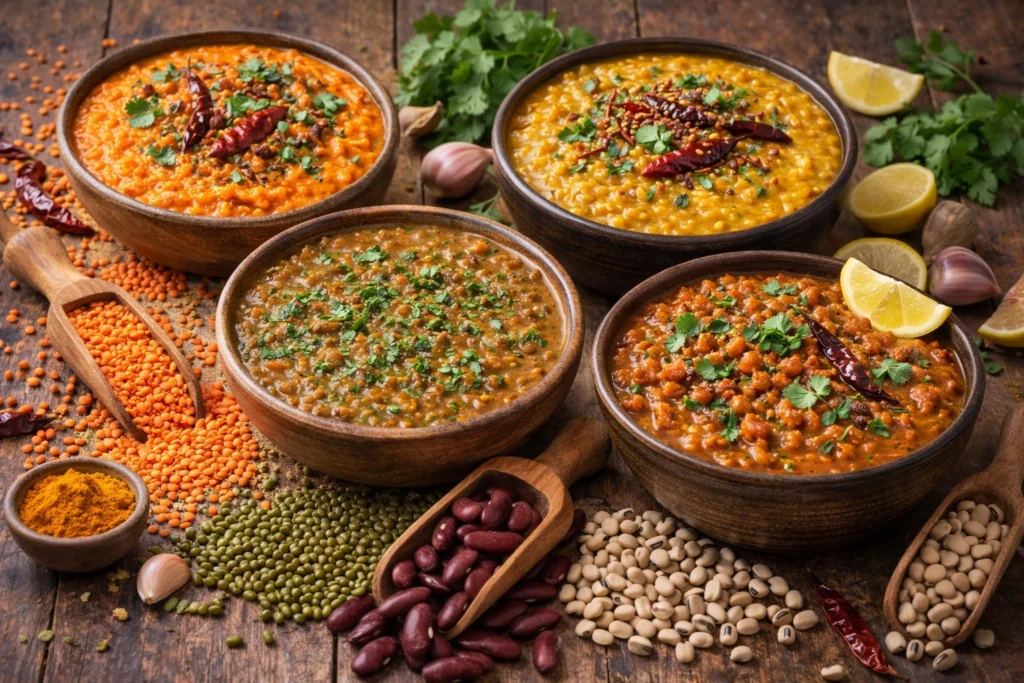
Indian lentils, or dal, are a cornerstone of Indian cuisine. From hearty stews to flavorful side dishes, these nutrient-packed powerhouses offer a versatile and delicious way to incorporate plant-based protein into your diet. This Indian lentils guide will uncover lentil varieties, master lentil preparation and explore regional variations. Whether you’re a seasoned cook or a beginner, this guide will help you navigate the wonderful world of dal and create authentic Indian flavors in your own kitchen. Understanding Indian cooking basics begins with understanding dal.
Understanding the Basics: What are Indian Lentils (Dal)?
The term “dal” refers to both dried, split pulses (lentils, peas, and beans) and the hearty, flavorful dishes made from them. It is derived from the Sanskrit word meaning “to split.” In India, dal is more than just food; it’s a cultural staple, a source of nourishment and a symbol of home-cooked comfort. This Indian lentils guide aims to provide a comprehensive look into this essential pantry staple.
Indian Cooking Basics: Why Lentils are a Staple
Lentils are a staple in India for several reasons. First and foremost, they are an excellent source of protein, particularly important in a country with a large vegetarian population. They’re also incredibly versatile, lending themselves to countless preparations and flavor profiles. From simple, everyday meals to elaborate celebratory dishes, dal finds its place on every table. Lentils are also relatively inexpensive and have a long shelf life, making them an accessible and practical food source. According to the Ministry of Curry, dal is consumed in almost every Indian household daily. The popularity of dal extends from India to other countries like the US, Turkish and throughout Africa.
A Comprehensive Guide to Common Indian Lentils & Split Pulses
There are many types of Indian lentils, each with its unique flavor, texture, and cooking time. This section will explore some of the most common varieties, helping you identify lentil types and choose the right one for your culinary creations. We’ll explore dal variations with this Indian lentils guide.
Red Lentils (Masoor Dal): The Quick-Cooking Champion
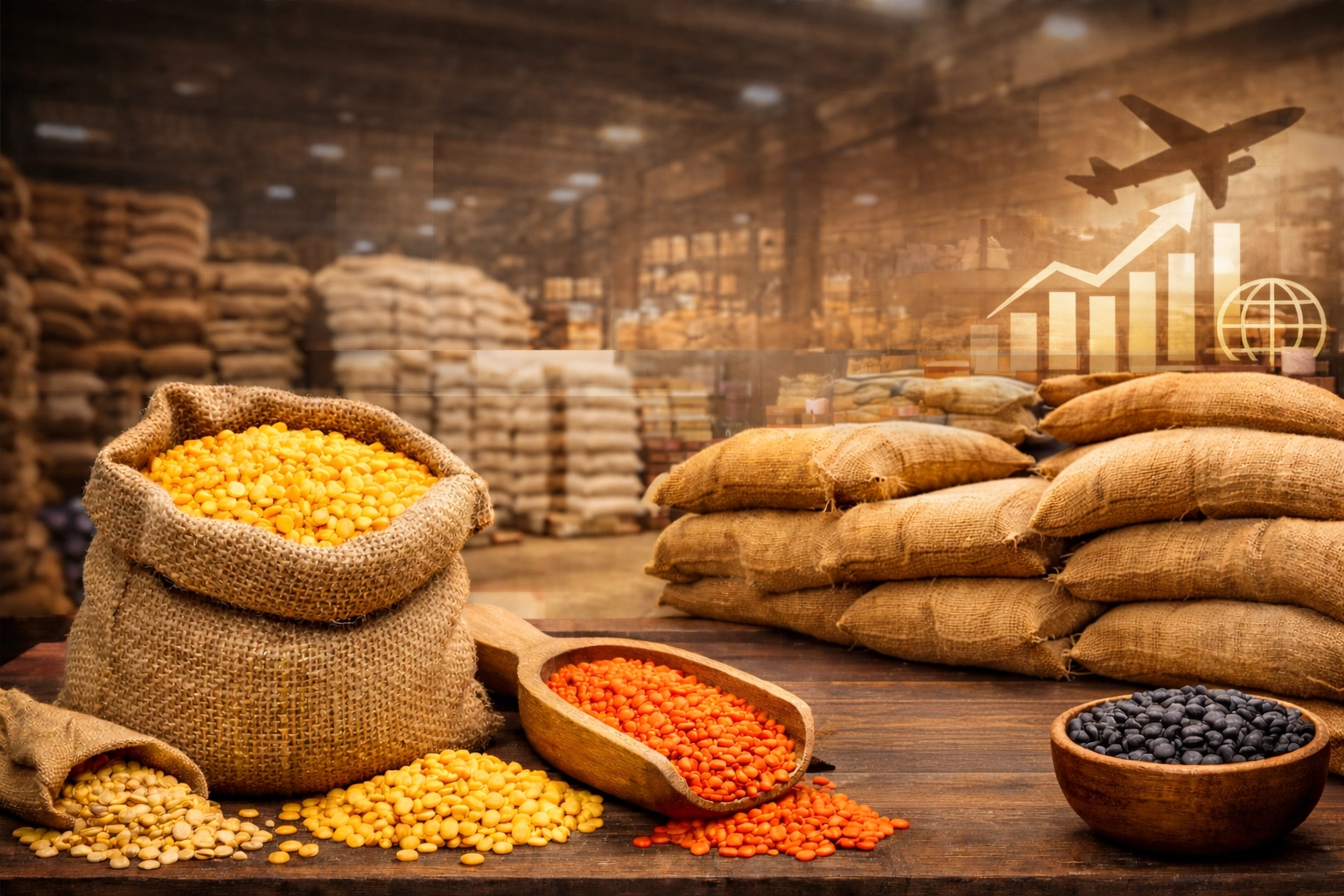
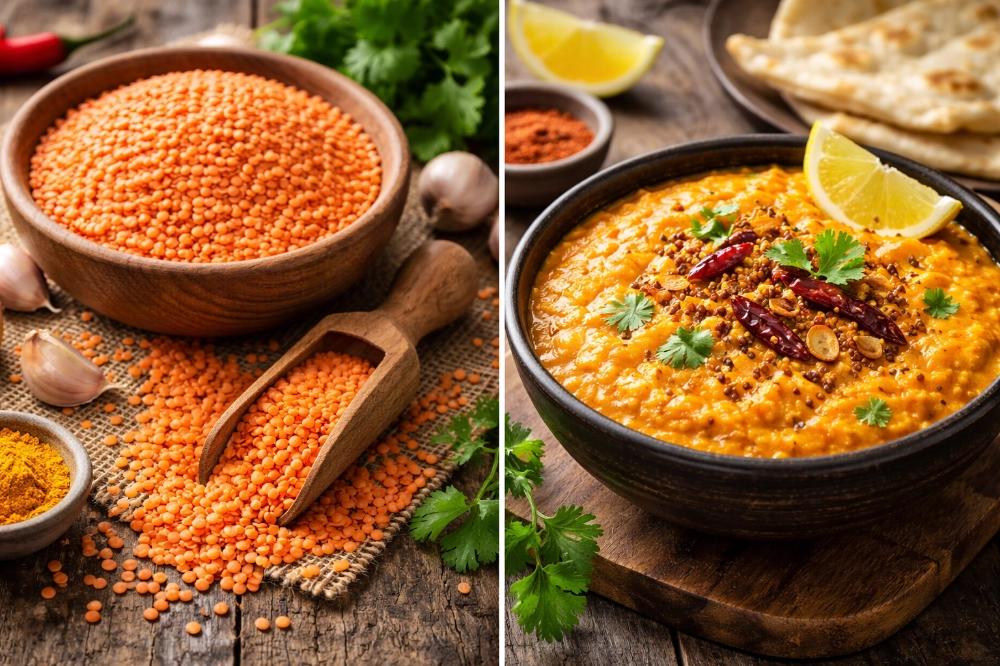
Red lentils (Masoor Dal) are perhaps the most recognizable and widely used lentil in Indian cuisine. They are de-hulled split lentils, which means they cook very quickly – often in under 20 minutes. Masoor dal has a mild, earthy flavor and breaks down easily, making it ideal for thickening soups and stews. They range in color from orange-red to yellow. Masoor dal is often used to make a simple dal fry or a creamy red lentil dal. Masoor is very popular in India and is also grown in Southeast Turkey, the Middle East, and Afghanistan.
- Flavor Profile: Mild, earthy
- Texture: Soft, creamy
- Cooking Time: 15-20 minutes
- Best For: Quick dal, soups, stews, thickening sauces
Example Recipe: A simple Masoor Dal with turmeric, cumin, and coriander.
Yellow Lentils (Toor Dal): The Heart of South Indian Cuisine
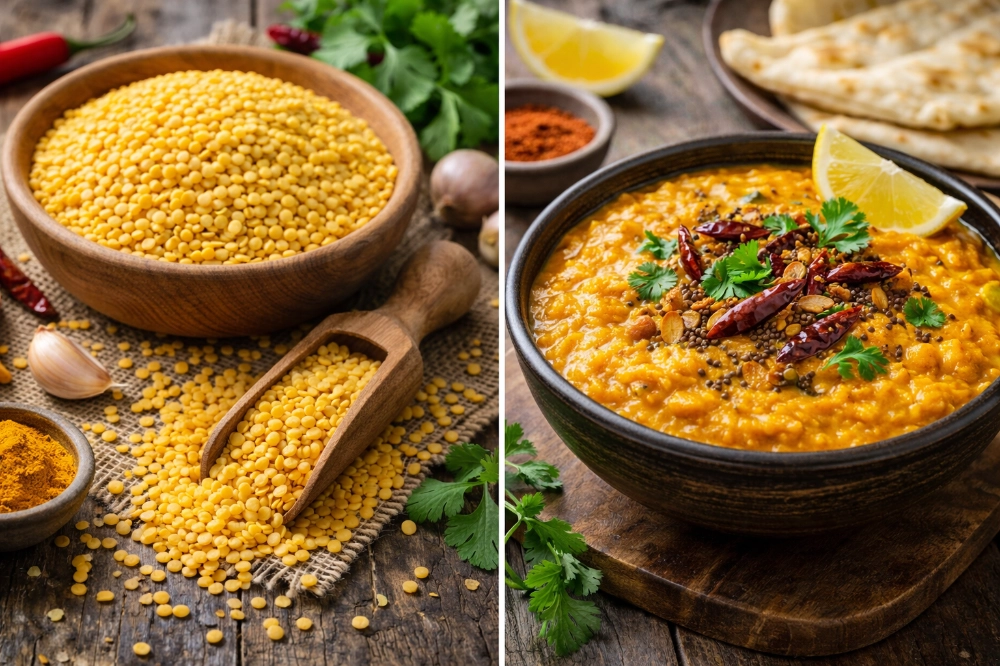
Yellow lentils (Toor Daal), also known as pigeon peas, are another essential ingredient in Indian cooking. They are particularly popular in South Indian cuisine, where they are used in dishes like sambar, a tangy lentil and vegetable stew. Toor dal has a slightly nutty flavor and holds its shape well during cooking. This characteristic makes it perfect for dishes where you want the lentils to remain distinct. Often used lentils such as the Toor dal can be found in both split and whole forms, however, the split version is more commonly used in Indian cooking. This split pulse is key in South Indian cooking.
- Flavor Profile: Nutty, slightly sweet
- Texture: Holds its shape, slightly firm
- Cooking Time: 45-60 minutes (without soaking)
- Best For: Sambar, dal tadka, dishes where you want the lentils to retain their shape
Example Recipe: Sambar, a South Indian lentil and vegetable stew with tamarind and spices. The Essential Indian Instant Pot Cookbook includes a great recipe.
Mung Beans (Moong Dal): From Whole to Split
Mung beans (Moong Dal) are small, round, green beans that are available in both whole and split forms. Split moong dal is pale yellow and cooks relatively quickly. Whole mung beans take longer to cook and have a slightly more robust flavor. Moong dal is known for its light and easily digestible nature, making it a popular choice for people with digestive issues. Mung beans are a great source of protein and fiber. Both green lentils (moong dal) and whole mung beans are used in Indian cuisine. Mung beans are native to India and Tropical Asia.
- Flavor Profile: Mild, slightly sweet
- Texture: Soft, easily digestible
- Cooking Time: 20-30 minutes (split), 45-60 minutes (whole)
- Best For: Khichdi, soups, stews, sweet dishes (like Moong Dal Halwa)
Example Recipe: Moong Dal Khichdi, a comforting rice and lentil dish.
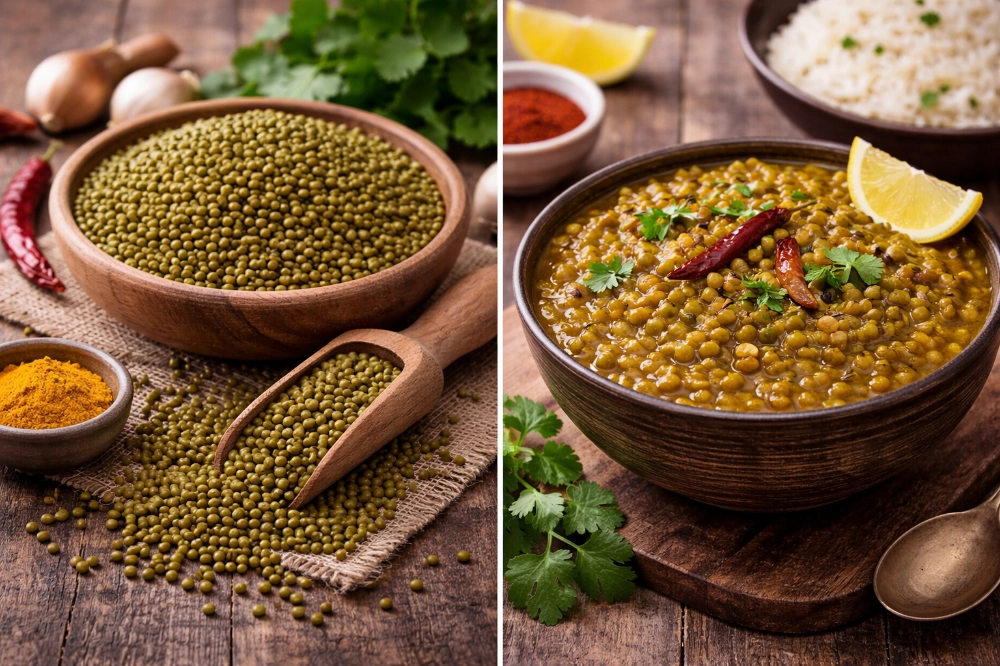
Black Eyed Peas (Chawli/Lobia): A North Indian Delight
Black Eyed Peas (Chawli/Lobia) are small, creamy beans with a distinctive black “eye.” While technically beans rather than lentils, they are frequently used in similar ways in Indian cuisine, especially in North India. Chawli/Lobia has a slightly sweet and earthy flavor and a tender texture. They are often used in curries, stews, and salads. Black eyed peas are also known as Vigna unguiculata. They are often used in India and West Africa.
- Flavor Profile: Slightly sweet, earthy
- Texture: Tender, creamy
- Cooking Time: 45-60 minutes (without soaking)
- Best For: Curries, stews, salads, side dishes
Example Recipe: Chawli Masala, a spicy black-eyed pea curry.
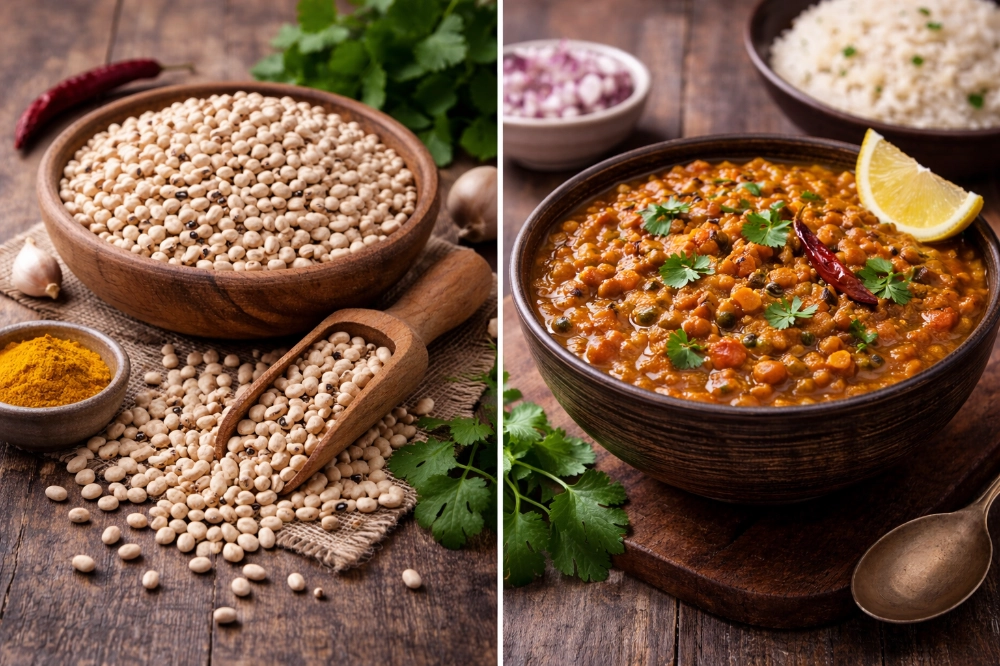
Kidney Beans (Rajma): The Creamy Punjabi Favorite
Kidney Beans (Rajma) are another type of bean that is commonly used in Indian cooking, particularly in North Indian cuisine, especially Punjabi cuisine. Rajma has a rich, creamy texture and a slightly sweet, earthy flavor. They are most famously used in Rajma Masala, a hearty and flavorful curry that is often served with rice. Rajma is originally from the New World but is now a staple in India. Kidney beans are a great source of protein and fiber.
- Flavor Profile: Rich, creamy, slightly sweet
- Texture: Creamy, slightly firm
- Cooking Time: 1-1.5 hours (without soaking)
- Best For: Rajma Masala, curries, stews
Example Recipe: Rajma Masala, a classic North Indian kidney bean curry. Rajma originated in the New World.
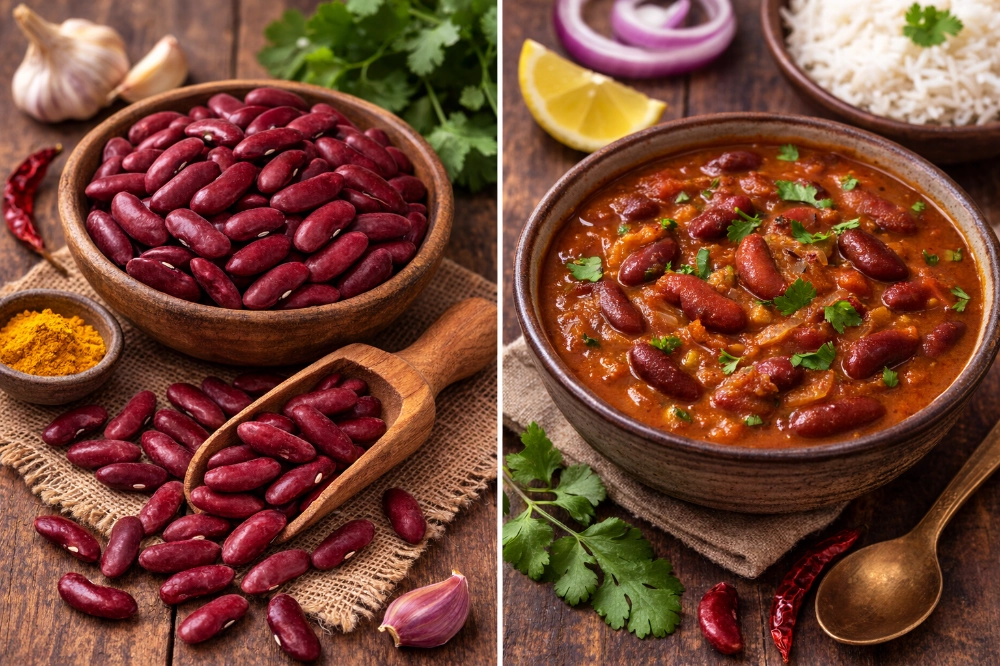
Cooking Indian Lentils: Essential Techniques and Tips
Mastering lentil preparation is key to achieving perfect texture and flavor. Here are some essential techniques and tips for cooking Indian lentils:
- Soaking: While not always necessary, soaking lentils before cooking can help to reduce cooking time and improve digestibility. Red lentils (Masoor Dal) and split moong dal generally don’t require soaking. Other lentils, like toor dal and rajma, benefit from being soaked for at least 30 minutes to an hour, or even overnight. Soaking lentils unlocks enzymes and reduces phytic acid, improving nutrient absorption.
- Rinsing: Always rinse lentils thoroughly under cold water before cooking to remove any debris or dust. This also helps to remove excess starch, preventing the lentils from becoming too mushy.
- Water Ratio: The ideal water ratio depends on the type of lentil and your desired consistency. A general rule of thumb is to use 2-3 cups of water for every 1 cup of lentils. For a thicker dal, use less water; for a thinner dal, use more water.
- Seasoning: Indian dal is typically seasoned with a variety of spices, such as turmeric, cumin, coriander, ginger, garlic, and chili powder. Experiment with different spice combinations to find your favorite flavor profile. Garam Masala is a common addition. Homemade Ghee can also add a rich flavor.
- Tempering (Tadka): Tempering, or tadka, is a crucial step in many dal recipes. It involves heating oil or ghee in a small pan and adding spices like mustard seeds, cumin seeds, dried chilies, and asafoetida. The hot, infused oil is then poured over the cooked dal, adding a burst of flavor and aroma.
- Salt: Add salt towards the end of the cooking process, as salt can sometimes toughen the lentils if added too early. Balancing lentil flavors often involves adding salt at the end.
- Lentil Storage Guidelines: Store lentils in an airtight container in a cool, dry place. Properly stored lentils can last for up to a year or more.
Mastering the Instant Pot: Quick & Easy Dal Recipes
The Instant Pot is a game-changer for cooking lentils, significantly reducing cooking time and producing perfectly cooked dal every time. Here’s how to cook lentils in the Instant Pot:
- Rinse the lentils thoroughly.
- Add the lentils, water (or broth), and spices to the Instant Pot.
- Seal the lid and cook on high pressure for the recommended time (see chart below).
- Allow the pressure to release naturally for 10-15 minutes, then manually release any remaining pressure.
- Stir in any additional seasonings or tempering.
| Lentil Type | Water Ratio | Cooking Time (High Pressure) | Natural Pressure Release | Notes |
|---|---|---|---|---|
| Red Lentils | 2:1 | 8-10 minutes | 10 minutes | Do not overcook, as they can become mushy. |
| Yellow Lentils | 2.5:1 | 15-20 minutes | 15 minutes | |
| Mung Beans (Split) | 2.5:1 | 12-15 minutes | 10 minutes | |
| Black Eyed Peas | 3:1 | 20-25 minutes | 15 minutes | |
| Kidney Beans | 3:1 | 30-35 minutes | 20 minutes | Soaking is recommended for best results. |
Delicious Indian Lentil Recipes: From Dal Makhani to Sambar
The possibilities are endless when it comes to Indian lentil recipes. Here are a few popular examples to inspire you. Explore lentil-based recipes and create hearty meals with these ideas:
- Dal Makhani: A rich and creamy black lentil dish simmered overnight with butter and cream. It’s a classic North Indian comfort food.
- Sambar: A tangy and flavorful South Indian lentil and vegetable stew with tamarind and spices. It’s often served with idli, dosa, or vada.
- Dal Tadka: A simple and flavorful lentil dish tempered with spices. It’s a staple in many Indian homes.
- Rajma Masala: A hearty and flavorful kidney bean curry from North India. It’s typically served with rice.
- Moong Dal Halwa: A sweet and decadent dessert made from mung dal, ghee, sugar, and cardamom.
- Pav Bhaji Khichdi: A variation of the popular Indian street food, Pav Bhaji, incorporated into a lentil and rice dish.
- Bisi Bele Bhath: A flavorful rice, lentil, and vegetable dish from South India, similar to Khichdi but with a unique spice blend.
- Matkichi Usal: A sprouted moth bean curry, popular in Maharashtra. Moth beans are also known as Matki.
- Misal pav: Another popular dish from Maharashtra, made with sprouted lentils (often Matki) and served with pav (bread).