
Introduction
Singapore’s food and beverage sector is highly competitive, especially for Indian cuisine businesses that rely on consistency, quality, and price control.
Choosing the right indian grocery supplier is an important operational decision for restaurants and food businesses in Singapore. Indian cuisine depends on consistent ingredients, precise flavours, and reliable sourcing. When supply quality or delivery fails, kitchens feel the impact immediately.
This article explains what restaurants should expect from an indian grocery supplier, why reliability matters, and how an experienced supplier can support long-term business stability.
Why an Indian Grocery Supplier Matters for Restaurants
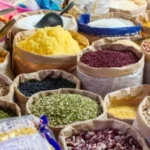
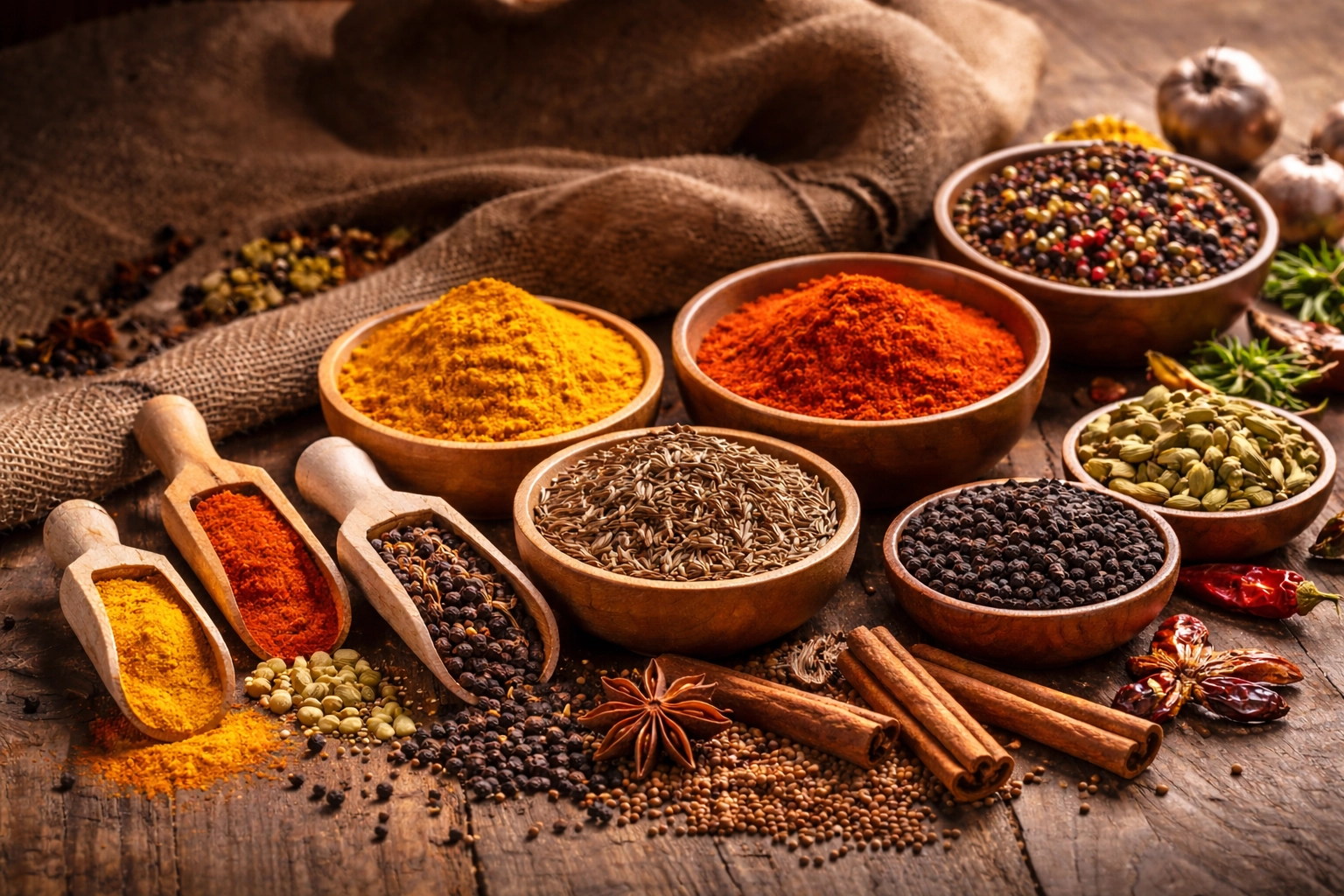
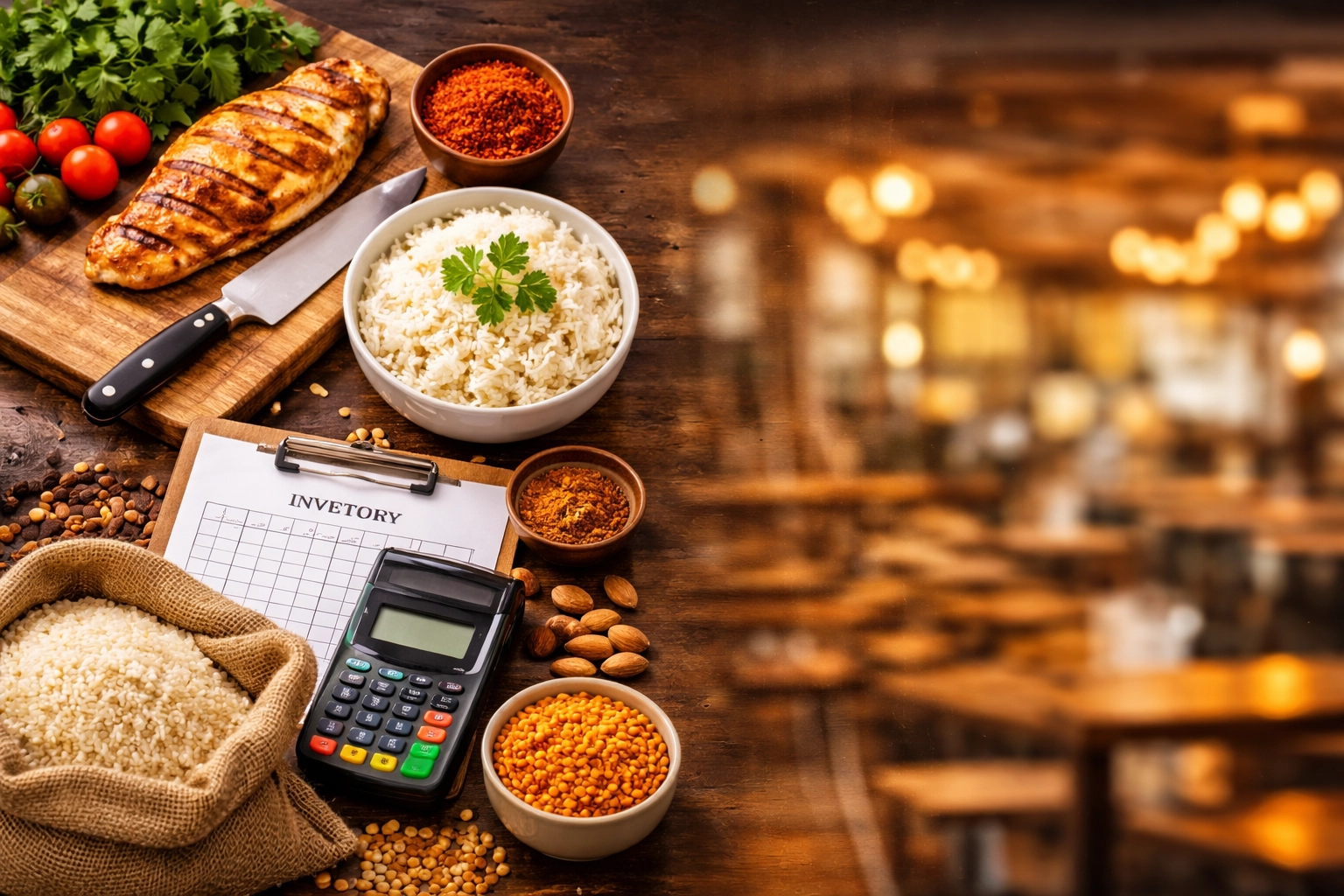
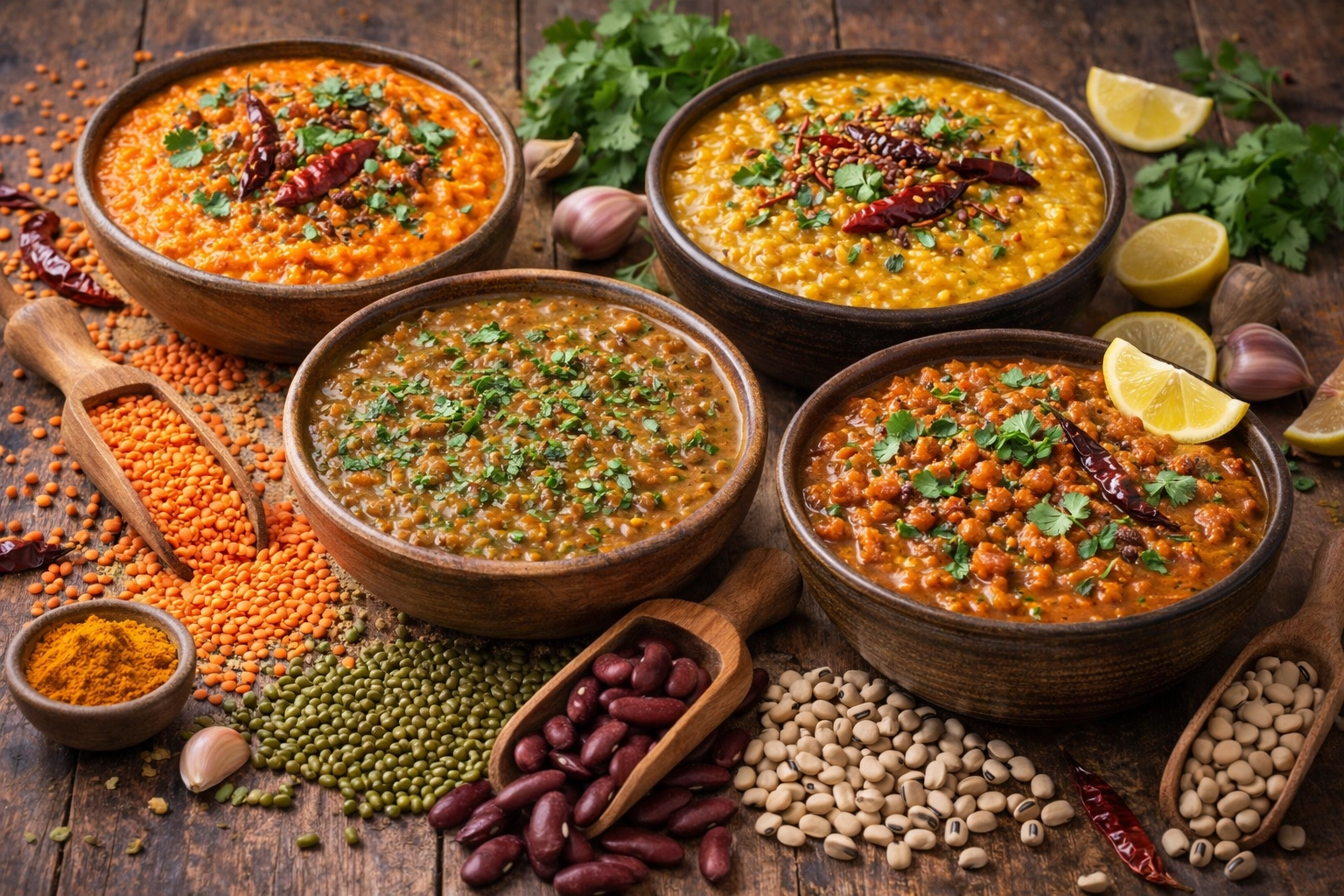
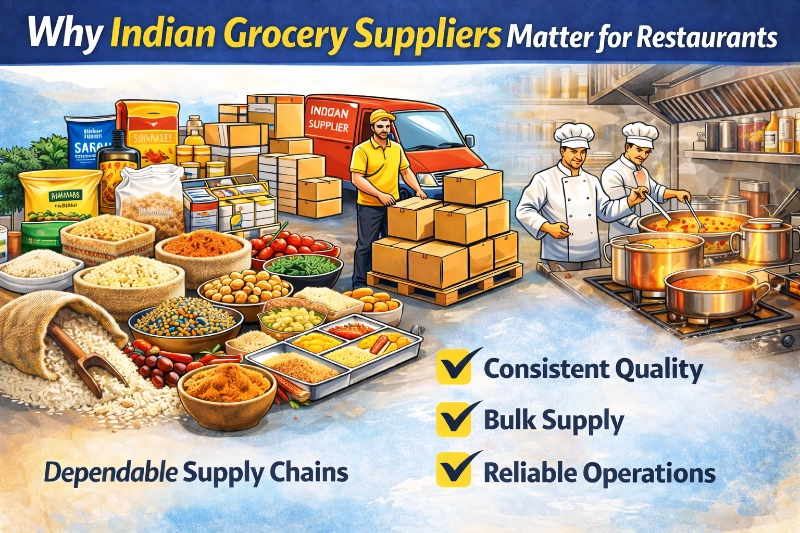
Indian cooking relies on a wide range of ingredients such as rice varieties, lentils, flours, whole spices, blended masalas, oils, and frozen items. Even small changes in ingredient quality can affect taste, texture, and presentation.
A professional indian grocery supplier helps restaurants by:
Ensuring consistent ingredient quality
Supplying products in commercial quantities
Supporting predictable kitchen operations
Reducing sourcing and compliance risks
In Singapore’s competitive F&B environment, dependable supply chains are essential.
Food Products, Brands, and Grocery Distribution in Singapore
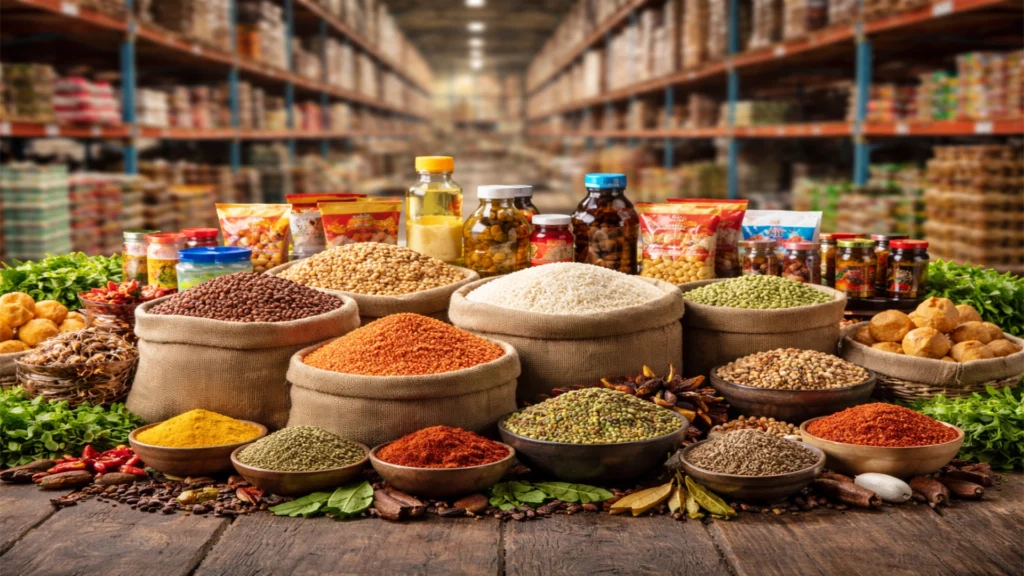
The Indian grocery segment in Singapore spans a wide range of food categories, including staples, snacks, frozen foods and specialty ingredients. A capable distributor must manage sourcing, storage, and distribution efficiently to meet the needs of both small and large businesses.
Indian Food Products and Grocery Supply
A strong Indian grocery distributor provides access to essential food products such as rice, lentils, spices, snacks and frozen foods. These items form the backbone of many restaurant menus and grocery store shelves. Maintaining stable price points while preserving quality is critical for long-term customer satisfaction.
Indian Brands and Product Variety
Restaurants and retailers often prefer established Indian brands due to consistent flavor and consumer trust. A reliable supplier supports a wide product portfolio that includes staple grocery items, packaged snack options and specialty ingredients sourced from India. This variety helps businesses cater to diverse consumer preferences.
Food Safety, Compliance, and Regulations in Singapore
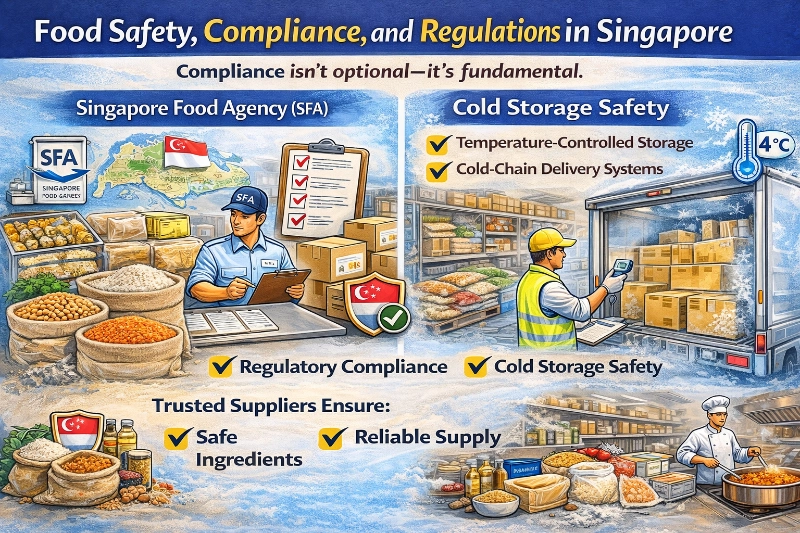
In Singapore’s food industry, compliance isn’t optional – it’s fundamental. Restaurants operate under strict regulatory oversight, and even minor lapses in food safety or documentation can lead to serious penalties, operational disruptions, or reputational damage.
That’s why working with a compliant and experienced Indian grocery supplier is not just convenient, but essential.
Singapore Food Agency (SFA) Requirements
The Singapore Food Agency (SFA) enforces rigorous standards covering food imports, labelling, hygiene, and traceability. Restaurants benefit significantly when their Indian grocery supplier takes full responsibility for managing these requirements accurately and consistently.
A professional supplier ensures:
Proper import permits and documentation
Correct product labelling and traceability
Compliance with hygiene and handling regulations
This reduces administrative burden for restaurants and lowers regulatory risk. Official SFA guidelines are available at:
👉 https://www.sfa.gov.sg
Storage, Handling, and Cold Chain Management
Food safety doesn’t stop at documentation. Proper storage and handling are just as critical. Temperature fluctuations, poor warehousing, or inadequate delivery conditions can compromise food quality and safety long before ingredients reach the kitchen.
Professional suppliers invest in:
Temperature-controlled storage facilities
Cold-chain–managed transport for sensitive products
Hygienic handling processes from warehouse to delivery
For restaurants, this means safer ingredients, more consistent quality, and greater confidence in daily operations — especially in Singapore’s tightly regulated F&B environment.
Dashmesh as a Wholesale Indian Food Distributor in Singapore
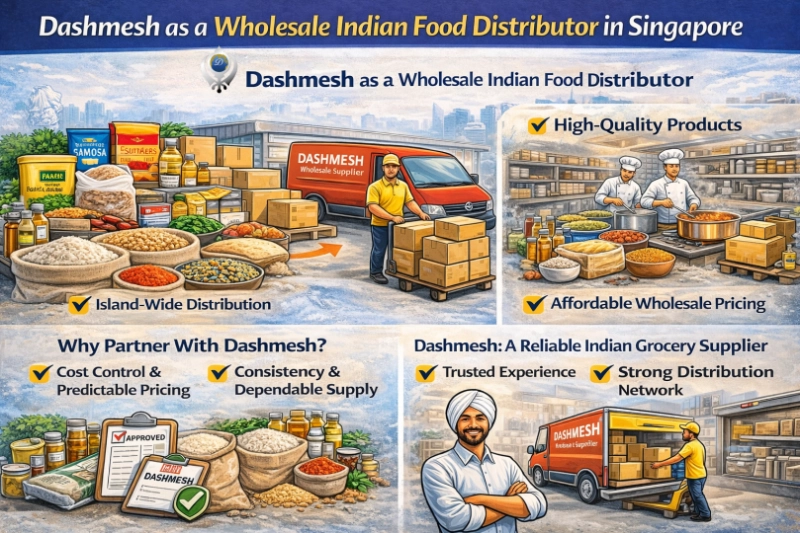
Dashmesh is a well-established wholesale Indian food distributor serving the Singapore market. With decades of experience in food trading, the company supports restaurants, retailers, and grocery stores with a dependable supply of Indian food products, backed by competitive and transparent pricing.
Island-Wide Distribution and Operational Efficiency
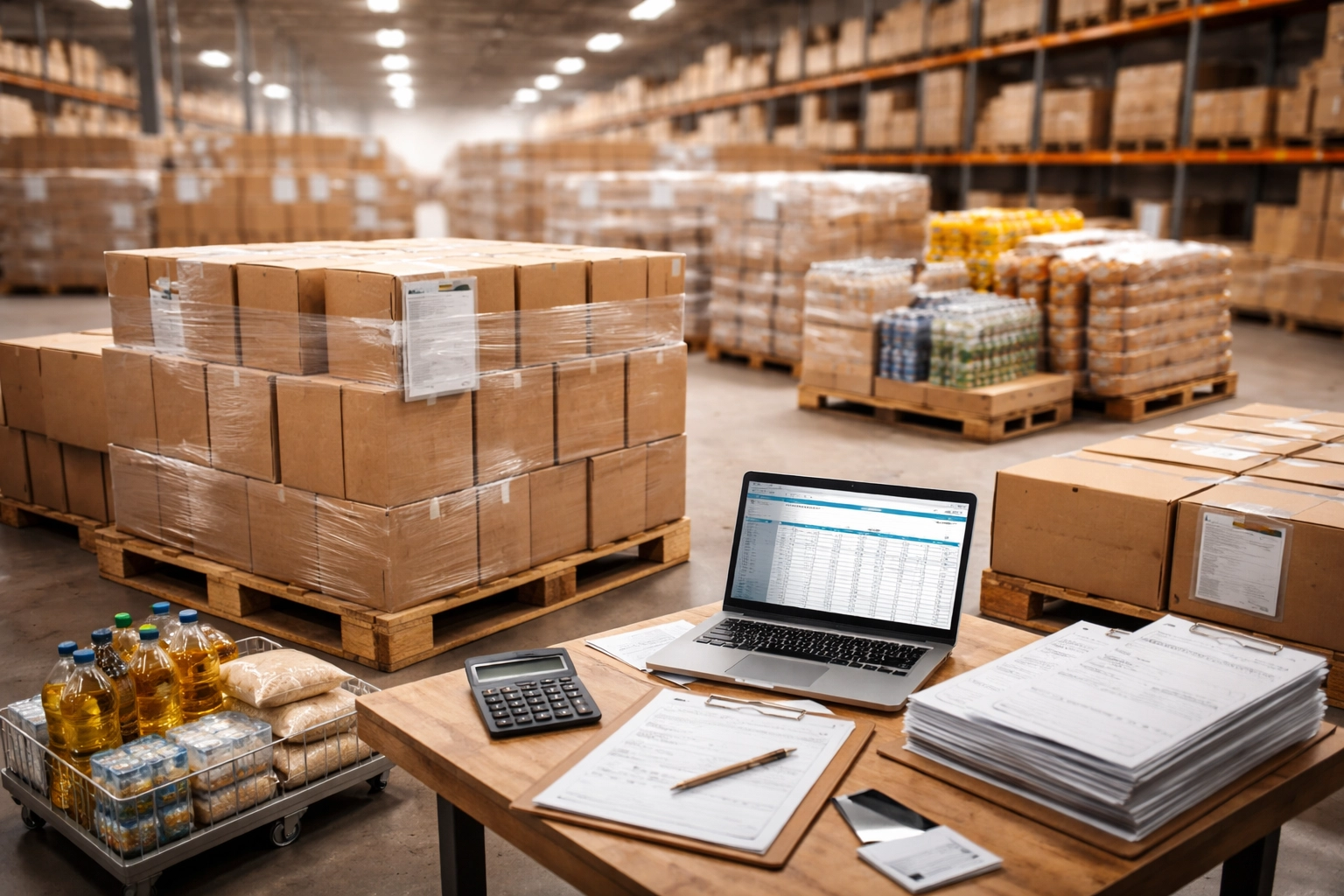
Dashmesh operates a robust distribution system designed for island-wide coverage. This infrastructure allows products to be delivered efficiently while maintaining freshness, food safety, and regulatory compliance. The distribution network serves both retail and foodservice customers, ensuring reliable supply for restaurant kitchens and grocery retailers alike.
Consistent Quality and Dependable Service
Maintaining consistent product quality is central to Dashmesh’s operations. By sourcing from trusted producers and established brands, the company ensures that products meet market expectations for quality and authenticity. This reliability strengthens long-term partnerships and supports consistent customer experiences across the supply chain.
Wholesale Pricing That Supports Sustainable Growth
Price volatility is a common challenge in food trading. Dashmesh helps businesses manage this through structured wholesale pricing and predictable supply arrangements. These pricing models allow restaurants and retailers to plan more accurately, control costs, and operate with greater confidence.
Affordable Solutions for Businesses of All Sizes
Dashmesh works with both small operators and established businesses, offering affordable pricing without compromising product quality. Bulk purchasing options help restaurants and retailers manage margins effectively while remaining competitive for end consumers.
Reliable Support for Retailers and Grocery Stores
Retailers benefit from consistent stock availability and a reliable source of Indian grocery products. Dashmesh supports grocery stores with a steady supply of essential items, including snacks, frozen foods, and everyday staples, helping them respond quickly to customer demand in a competitive market.
Snacks, Frozen Foods, and Specialty Products
Beyond core staples, Dashmesh supplies a growing range of Indian snacks and frozen foods to meet evolving market needs. Proper freezing, storage, and handling processes ensure extended shelf life and dependable delivery schedules for both retail and foodservice customers.
Specialty Ingredients for Authentic Indian Cuisine
Specialty ingredients play an important role in maintaining authentic Indian flavours. Dashmesh ensures these products are sourced responsibly and distributed efficiently across South-East Asia, supporting Singapore’s position as a regional food and trading hub.
Key Benefits of Partnering With a Professional Indian Grocery Supplier
Working with the right supplier creates long-term advantages.
Cost Control and Predictable Pricing
Bulk purchasing lowers costs. A reliable indian grocery supplier also offers stable pricing, helping restaurants plan budgets more accurately. Over time, this improves profitability.
Consistency, Quality and Authenticity
Indian cuisine depends on precise flavours. Spices, rice, and lentils must remain consistent. A trusted indian grocery supplier ensures authenticity, protecting a restaurant’s reputation.
Dashmesh: A Reliable Indian Grocery Supplier in Singapore
Among established suppliers, Dashmesh stands out as a reliable partner for restaurants.
Experience and Market Reputation
Dashmesh has served the Singapore market for decades. Their experience allows them to understand restaurant needs, seasonal demand, and local regulations. As an indian grocery supplier, they focus on long-term relationships rather than short-term sales.
Product Range and Distribution Strength
Dashmesh offers a wide selection of Indian groceries, from staples to specialty items. Their distribution network supports consistent, timely delivery across Singapore, helping restaurants operate without disruption.
Common Mistakes Restaurants Make When Choosing a Supplier
Many issues stem from avoidable errors.
Choosing based only on price
Ignoring compliance and food safety
Selecting suppliers that cannot scale with growth
A reliable indian grocery supplier should be viewed as a strategic partner, not just a vendor.
Frequently Asked Questions (FAQs)
1. What does an indian grocery supplier typically provide to restaurants?
An indian grocery supplier provides bulk food ingredients used in Indian cooking, including rice, lentils, flours, spices, oils, frozen items, and specialty products. Unlike retail stores, suppliers focus on commercial quantities, consistent quality, and scheduled delivery suited for restaurant operations.
2. How is an indian grocery supplier different from buying from retail grocery stores?
Retail stores are designed for consumers, not commercial kitchens. An indian grocery supplier offers:
Bulk pricing
Larger pack sizes
Predictable inventory
Regular delivery schedules
This reduces cost, saves time, and improves operational efficiency for restaurants.
3. Why is consistency so important when choosing an indian grocery supplier?
Consistency ensures that dishes taste the same every time customers order them. Variations in spices, rice, or lentils can change flavour, texture, and appearance. A reliable indian grocery supplier sources standardized products to maintain menu integrity.
4. How does an indian grocery supplier help restaurants control costs?
Suppliers help control costs through bulk pricing, longer-term price stability, and reduced wastage. Restaurants can plan budgets more accurately when ingredient pricing and availability are predictable.
5. What food safety and compliance standards should an indian grocery supplier meet in Singapore?
Suppliers must comply with regulations set by the Singapore Food Agency (SFA), including:
Proper import documentation
Approved food sources
Correct labelling
Hygienic storage and transport
Working with a compliant indian grocery supplier reduces regulatory risk for restaurants.
6. How often should restaurants review or reassess their indian grocery supplier?
Restaurants should review their supplier at least once a year or when:
Menu size increases
Customer volume grows
Quality issues arise
Pricing changes significantly
Regular reviews help ensure the supplier still meets business needs.
7. Can one indian grocery supplier handle both staple and specialty ingredients?
Yes, many established suppliers offer a wide product range covering staples, spices, frozen foods, and specialty regional ingredients. However, restaurants should confirm product coverage before committing to a long-term partnership.
8. What delivery capabilities should restaurants expect from an indian grocery supplier?
Restaurants should expect:
Reliable, on-time delivery
Island-wide coverage (where applicable)
Proper handling of dry, chilled, and frozen items
Delivery reliability is essential to avoid kitchen disruptions and stock shortages.
9. Why do restaurants consider Dashmesh a reliable indian grocery supplier?
Dashmesh is known for its long-standing presence in Singapore, consistent product quality, and understanding of local restaurant needs. Their experience allows them to support restaurants with stable supply, compliance awareness, and dependable distribution.
10. Is it risky to depend on only one indian grocery supplier?
For most restaurants, working with one primary supplier is efficient, provided the supplier is reliable and scalable. Some restaurants maintain a secondary backup supplier for risk management, especially for high-demand or seasonal items.
11. What questions should restaurants ask before choosing an indian grocery supplier?
Key questions include:
What products do you stock consistently?
How often do you deliver?
How do you handle quality issues or shortages?
Are you compliant with SFA regulations?
Can you scale as my restaurant grows?
Asking these questions upfront helps prevent long-term issues.
Conclusion
Selecting the right indian grocery supplier is a practical and strategic decision for restaurants operating in Singapore. Ingredient quality, supply reliability, regulatory compliance, and service consistency all directly influence kitchen performance and customer satisfaction. A dependable supplier helps restaurants maintain stable operations, control costs, and deliver consistent flavours over time.
Rather than focusing only on price, restaurants benefit from evaluating suppliers based on experience, product range, delivery reliability, and understanding of local food safety requirements. Established partners such as Dashmesh demonstrate how long-term presence and operational reliability can support restaurant growth in a competitive market.
Ultimately, a strong indian grocery supplier relationship allows restaurant owners and chefs to focus on what matters most—serving quality food with confidence and consistency.