
Introduction to the Food Suppliers in Singapore Landscape
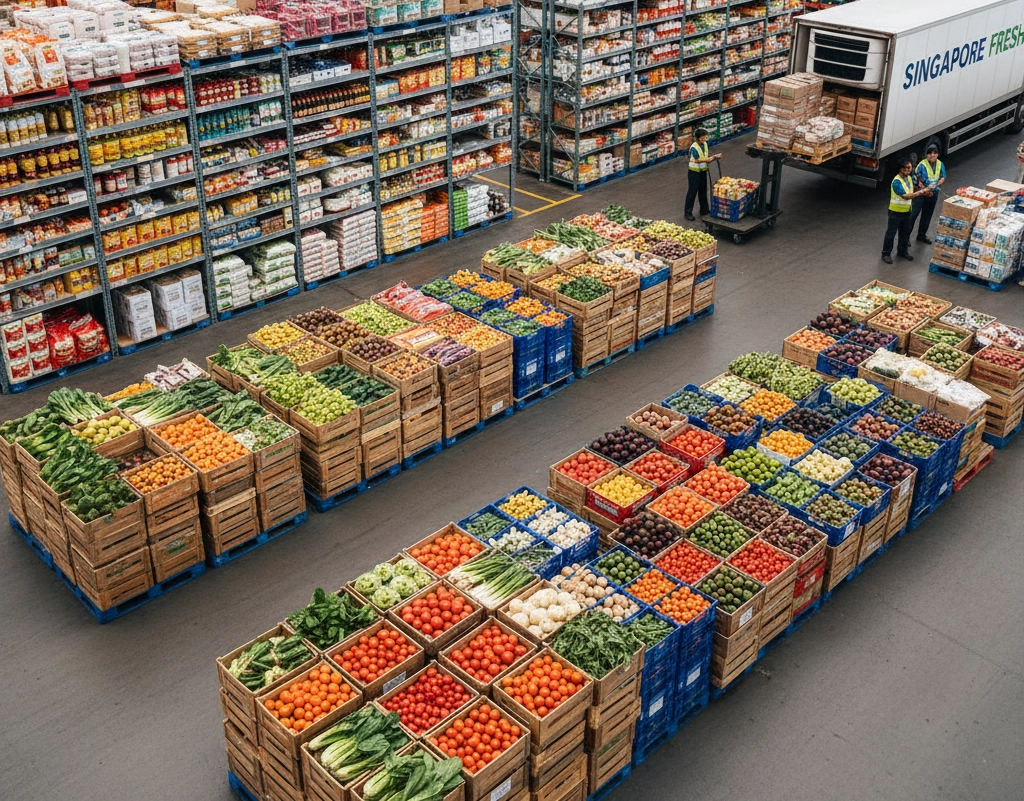
Food Suppliers in Singapore play a critical role in sustaining one of Asia’s most dynamic food markets. Singapore is widely recognized as a culinary hub. From hawker centres to Michelin-starred restaurants, food businesses rely heavily on dependable supply chains. Without a reliable Food Supplier in Singapore, even the best kitchen can struggle.
Singapore imports more than 90% of its food. That fact alone highlights the importance of structured sourcing, cold chain logistics and regulatory compliance. Every Food Supplier in Singapore must navigate global procurement networks while meeting strict safety standards.
This guide will delve deep into the world of food suppliers in Singapore, exploring the diverse range of options available, the factors to consider when choosing a partner and the vital role they play in the nation’s food security and economy. Whether you’re a budding restaurateur, a seasoned caterer or a food business owner looking to optimize your procurement, this article aims to equip you with the knowledge to make informed decisions.
Why Singapore’s Food Industry Is Unique
Singapore’s food culture blends Chinese, Malay, Indian, Western and fusion influences. This diversity creates strong demand for varied ingredients. A Food Supplier in Singapore must stock everything from seafood and poultry to specialty sauces and organic produce.
Moreover, consumers expect quality. They’re informed, selective, and willing to pay for freshness. As a result, food suppliers must maintain high hygiene and storage standards.
The Singapore Food Agency (SFA) regulates food imports and safety. According to the official SFA website (https://www.sfa.gov.sg), all suppliers must meet licensing and inspection requirements. Compliance isn’t optional—it’s mandatory.
Understanding the Different Types of Food Suppliers in Singapore
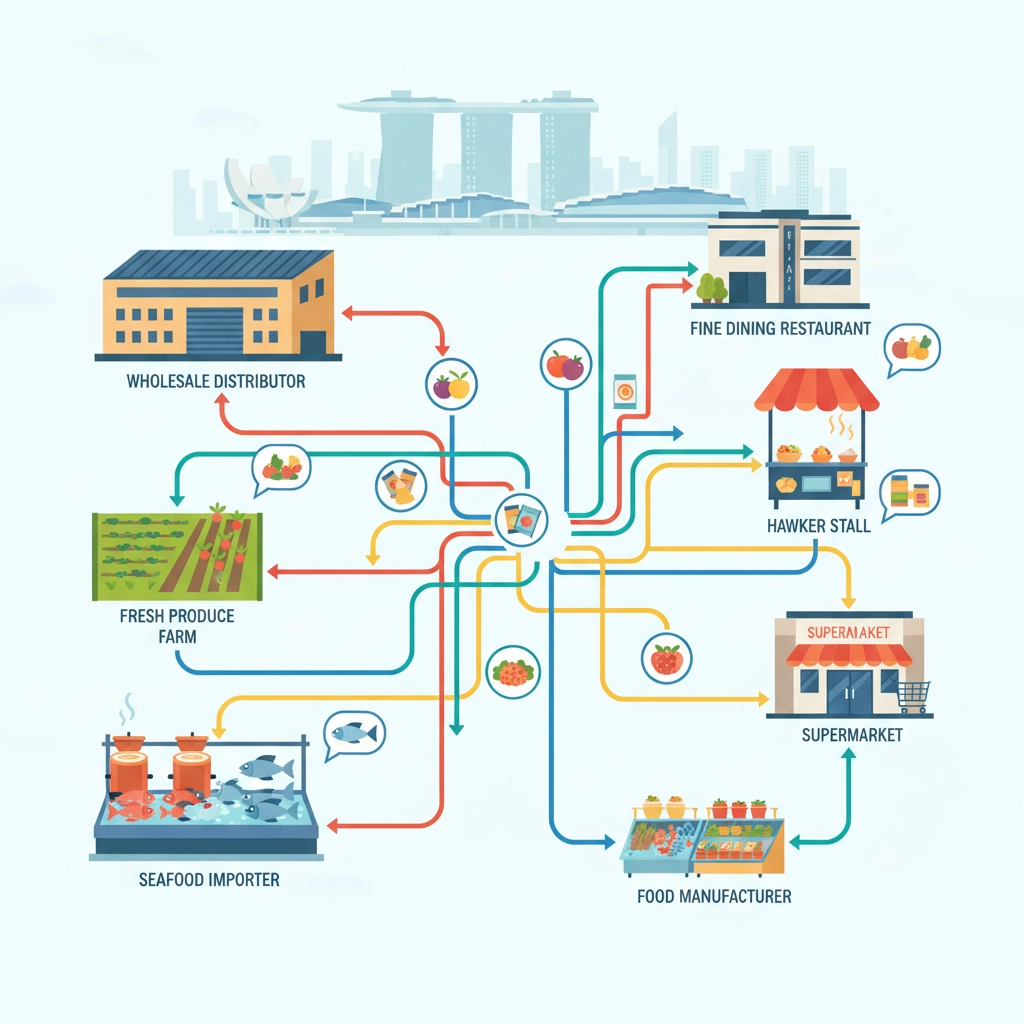
The Singaporean market offers a wide spectrum of food suppliers, each catering to specific needs and scales of operation. Identifying the right type of supplier for your business is the first step towards building a strong and efficient supply chain.
1. Wholesale Food Distributors
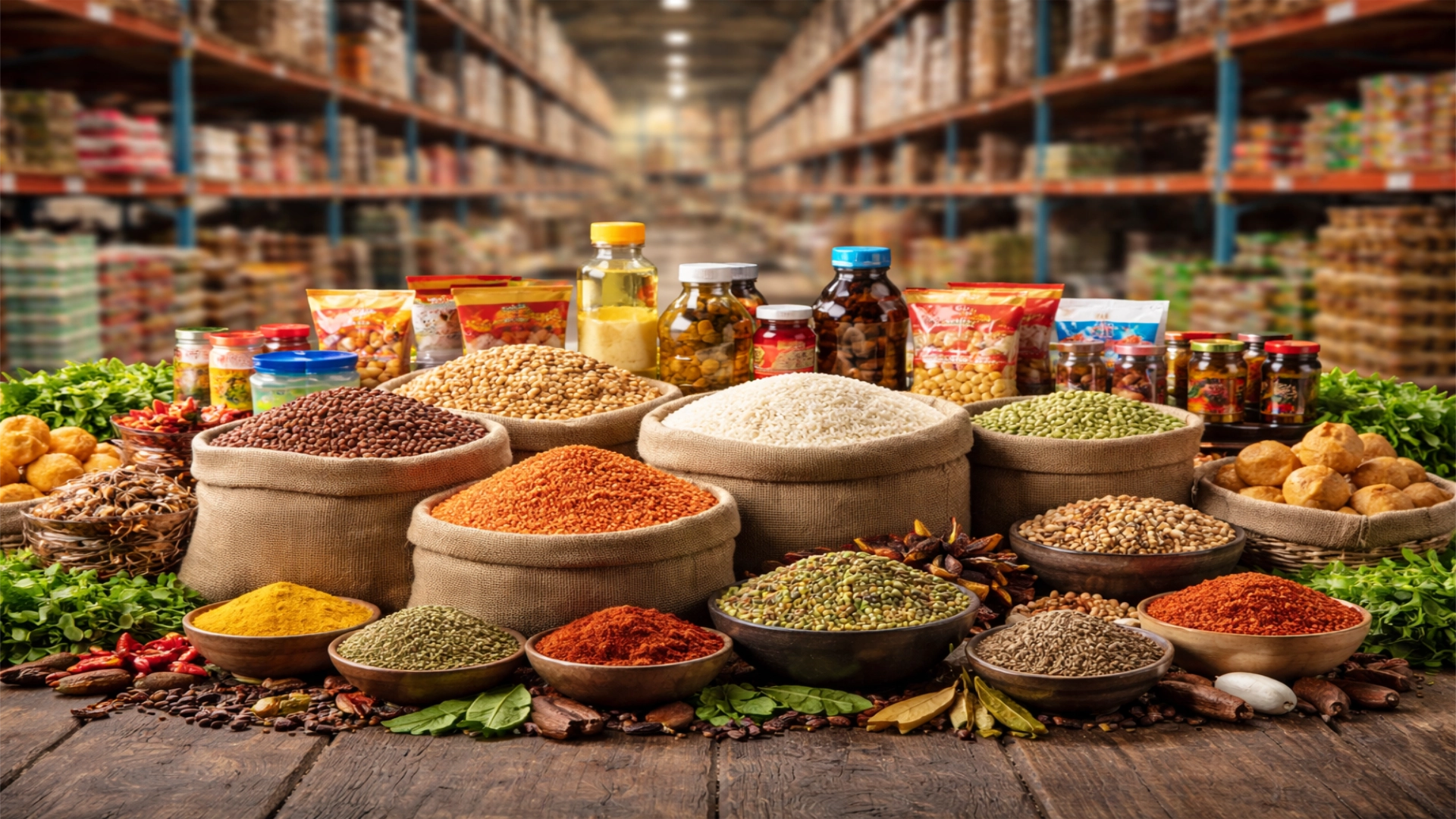
These are the backbone of the food supply chain. Wholesale distributors purchase large quantities of food products directly from manufacturers or producers, both local and international. They then break down these bulk orders into smaller, more manageable quantities for resale to businesses like restaurants, hotels, supermarkets, and food manufacturers. Their strength lies in:
- Variety: Offering a vast array of products, from fresh produce and meats to dry goods, frozen items, and specialty ingredients.
- Volume Discounts: Providing competitive pricing due to their bulk purchasing power.
- Logistics: Managing storage, transportation, and delivery, often with their own fleets of refrigerated trucks.
Examples include established players who supply to a broad range of F&B establishments across the island.
2. Specialized Food Suppliers
Beyond general wholesale, Singapore boasts numerous suppliers focusing on niche markets or specific product categories. These can include:
- Fresh Produce Suppliers: Focusing exclusively on fruits, vegetables, and herbs, often with direct links to local farms or import networks.
- Meat and Poultry Suppliers: Specializing in various cuts of beef, lamb, pork, chicken, and other meats, sometimes offering Halal or organic options.
- Seafood Suppliers: Providing a daily catch of fresh fish, shellfish, and other marine delicacies, crucial for Singapore’s love of seafood.
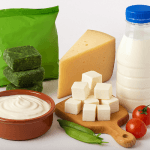
- Dairy and Bakery Suppliers: Offering milk, cheese, butter, bread, pastries, and baking ingredients.
- Beverage Suppliers: Supplying everything from soft drinks and juices to coffee, tea, and alcoholic beverages.
- Ethnic and Specialty Ingredient Suppliers: Catering to specific cuisines (e.g., Indian, Japanese, Halal) or offering unique, hard-to-find ingredients.
Choosing a specialized supplier can ensure access to premium quality and expertise within a particular product category.
3. Catering and Event Food Suppliers
These suppliers are distinct as they often provide not just the food but also the service aspect for events. They might prepare pre-packaged meals, buffet spreads, or plated dinners. While they are consumers of ingredients from other suppliers, they also act as a direct source for businesses that require ready-to-serve food solutions, particularly for corporate events, parties, or specific catering needs.
4. Direct from Producers (Local Farms and Artisans)
For businesses prioritizing freshness, sustainability, and supporting local agriculture, sourcing directly from local farms or artisanal food producers is an increasingly popular option. This model bypasses intermediaries, potentially offering fresher products and a more transparent supply chain. However, it may require more coordination and potentially higher minimum order quantities or less consistent supply compared to larger distributors.
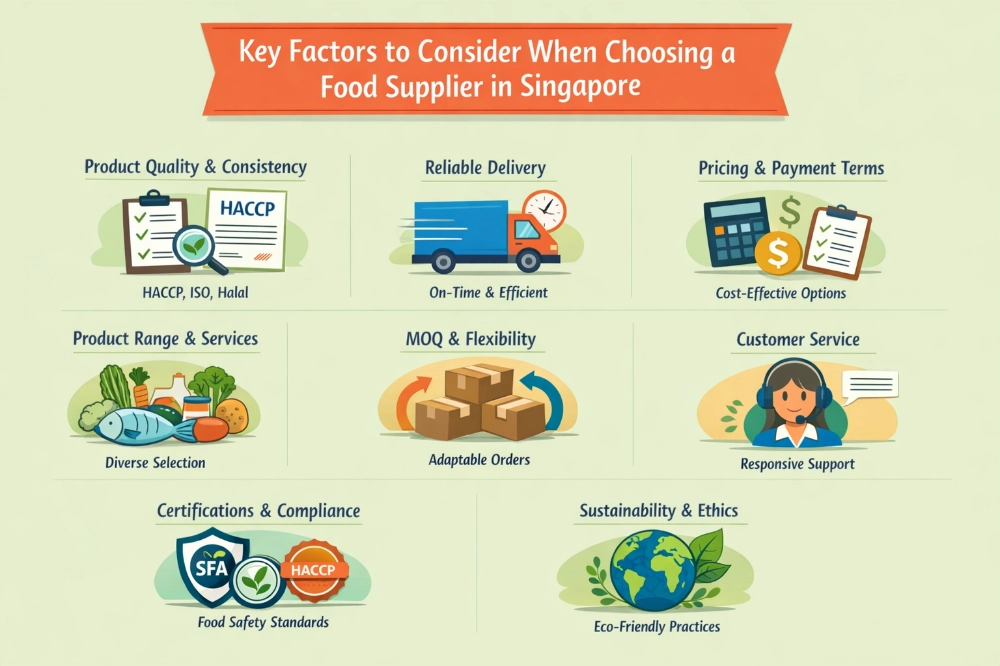
Key Factors to Consider When Choosing a Food Supplier in Singapore
Selecting the right food supplier is a strategic decision that impacts your business’s operational efficiency, product quality, and ultimately, customer satisfaction. Here are critical factors to evaluate:
1. Product Quality and Consistency
This is paramount. Your reputation is built on the quality of the food you serve. Inquire about their sourcing practices, quality control measures, and certifications (e.g., HACCP, ISO, Halal). Consistency is equally important; you need to be confident that the ingredients you receive today will be of the same standard as those you receive next week.
2. Reliability and Delivery
Late or missed deliveries can cripple a food business. Assess the supplier’s track record for on-time delivery. Do they have a robust logistics network? What are their delivery schedules and geographical coverage within Singapore? Understanding their reliability and communication protocols is vital.
3. Pricing and Payment Terms
While quality is key, cost-effectiveness is also a major consideration. Compare prices across different suppliers, but don’t let it be the sole deciding factor. Understand their pricing structure, potential for volume discounts, and their payment terms. Flexible payment options can be beneficial for cash flow management.
4. Range of Products and Services
Does the supplier offer the breadth of products you need? If you require multiple types of ingredients, consolidating your orders with a single supplier can simplify procurement and potentially lead to better terms. Also, consider value-added services they might offer, such as menu planning assistance, product recommendations, or customized packaging.
5. Minimum Order Quantities (MOQs) and Flexibility
Some suppliers have high MOQs, which might be unsuitable for smaller businesses or those with fluctuating demand. Assess if their MOQs align with your consumption patterns. A flexible supplier who can accommodate varying order sizes can be a valuable partner.
6. Customer Service and Communication
Responsive and helpful customer service is crucial. When issues arise (and they occasionally will), you need a supplier who is easy to communicate with and quick to resolve problems. Good communication builds trust and strengthens the business relationship.
7. Certifications and Compliance
Every Food Supplier in Singapore must follow Hazard Analysis and Critical Control Points (HACCP) systems or equivalent standards. These frameworks ensure food safety from farm to fork.
Reliable suppliers also conduct internal audits, temperature monitoring, and batch tracking. These measures reduce contamination risks and protect businesses from costly recalls.
In short, the foundation of Singapore’s F&B success lies in dependable supply networks.
In Singapore, food safety and hygiene standards are stringent. Ensure your supplier adheres to all relevant regulations and possesses necessary certifications. This not only ensures compliance but also protects your business from potential health risks and legal liabilities. [2] The Singapore Food Agency (SFA) oversees these regulations, and understanding their requirements is essential.
8. Sustainability and Ethical Sourcing
For many businesses and consumers today, sustainability is a growing concern. Inquire about the supplier’s commitment to ethical sourcing, environmental practices and waste reduction. This can align with your business’s brand values and appeal to a conscious customer base.
The Role of Technology in Modern Food Supply Chains
Technology is revolutionizing how food suppliers operate and how businesses interact with them. Digital platforms and advanced logistics software are enhancing efficiency and transparency:
- Online Ordering Platforms: Many suppliers now offer web-based portals or mobile apps for easy product browsing, ordering, and account management. This streamlines the procurement process, reducing manual errors and saving time.
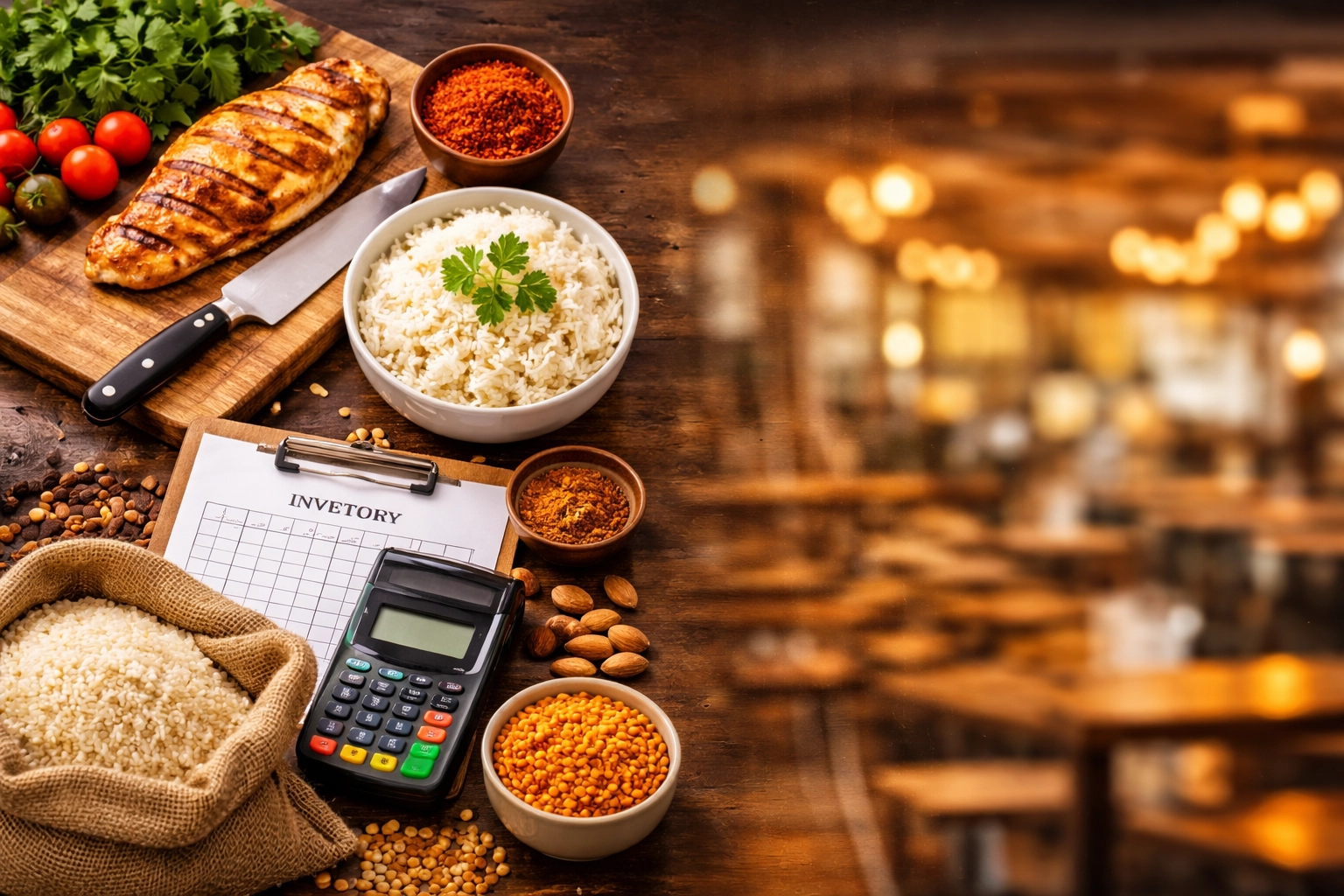
- Inventory Management Systems: Suppliers utilize sophisticated systems to track stock levels, manage expiry dates, and forecast demand, ensuring product availability and minimizing waste.
- Real-time Tracking: Advanced logistics allow for real-time tracking of deliveries, providing businesses with accurate ETAs and greater visibility into their supply chain.
- Data Analytics: Suppliers can leverage data to understand purchasing patterns, optimize delivery routes, and personalize offers, leading to more efficient operations and tailored services.
Businesses can also benefit from integrating their own inventory and point-of-sale (POS) systems with supplier platforms for seamless data flow.
Navigating Regulations and Food Safety in Singapore
Singapore has a robust regulatory framework for food safety and supply, overseen by the Singapore Food Agency (SFA). For food businesses, understanding and complying with these regulations is non-negotiable. Key aspects include:
- Licensing and Registration: Food suppliers must be licensed and registered with the SFA, depending on their operations (e.g., import, wholesale, manufacturing).
- Food Safety Standards: Adherence to strict standards for handling, storage, and transportation of food products is mandatory. This includes maintaining appropriate temperatures for chilled and frozen goods.
- Traceability: The ability to trace food products back to their origin is increasingly important for food safety recalls and quality assurance.
- Labeling Requirements: Accurate and compliant labeling of food products is essential.
Partnering with suppliers who demonstrate a strong commitment to these standards and possess relevant SFA certifications provides peace of mind and protects your business.
Finding the Right Food Supplier for Your Business
For Restaurants and Cafes:
- Focus: Freshness, variety, consistent quality, and timely delivery are paramount. Look for suppliers with a strong network for sourcing produce, meats, and seafood.
- Consider: Suppliers who can offer specialty ingredients to differentiate your menu.
For Hotels:
- Focus: Large volume, consistent supply, diverse product range (including F&B, amenities) and reliable service for multiple outlets.
- Consider: Suppliers who can handle bulk orders efficiently and offer a comprehensive catalogue.
For Caterers:
- Focus: Flexibility in order size, ability to source specific items for event themes, and reliable delivery to various event locations.
- Consider: Suppliers who understand the demands of event planning and can offer creative solutions.
For Food Manufacturers:
- Focus: Bulk ingredients, raw materials, consistent quality for production, and competitive pricing.
- Consider: Suppliers who can provide ingredients meeting specific technical specifications and certifications.
Dashmesh: A Trusted Partner in Singapore’s Food Supply Chain
When seeking a reliable food supplier in Singapore, businesses often look for partners who offer a combination of quality, variety and exceptional service. Dashmesh has established itself as a reputable provider in the industry, catering to a diverse clientele. They understand the critical nature of a stable and high-quality food supply for any F&B operation. By focusing on sourcing premium ingredients and maintaining efficient logistics, they aim to support businesses in achieving their culinary and operational goals. Explore their offerings to see how they can meet your specific needs for ingredients and food service solutions.
The Future of Food Supply in Singapore
The food supply landscape in Singapore is continually evolving. Trends point towards increased demand for:
- Local and Sustainable Produce: Driven by consumer preference and a desire for greater food security.
- Plant-Based and Alternative Proteins: Reflecting dietary shifts and health consciousness.
- Technology Integration: Greater adoption of digital tools for efficiency and transparency.
- Traceability and Transparency: Consumers and businesses alike want to know where their food comes from.
Food suppliers who adapt to these trends, embracing innovation and sustainability, will be best positioned for long-term success.
Conclusion
Securing the right food supplier in Singapore is a foundational element for any successful food business. It requires careful consideration of quality, reliability, cost and service. By understanding the different types of suppliers available, the key factors to evaluate and the evolving landscape of the industry, businesses can forge strong partnerships that contribute to their growth and resilience. Whether you’re sourcing staple ingredients or unique culinary components, a well-chosen food supplier is an indispensable ally in navigating the vibrant and competitive Singaporean food market.
Key Takeaways
- Singapore’s food industry is substantial, with a critical reliance on efficient food suppliers.
- Suppliers range from large wholesale distributors to specialized niche providers and direct farm sources.
- Key selection criteria include product quality, reliability, pricing, product range, MOQs, customer service, and compliance with regulations.
- Technology is transforming food supply chains through online platforms, inventory management, and real-time tracking.
- Adherence to Singapore Food Agency (SFA) regulations is crucial for all food businesses and their suppliers.
- Trends towards local, sustainable, and plant-based options are shaping the future of food supply.
Frequently Asked Questions (FAQs)
1. How do I find reliable food suppliers in Singapore?
Finding a reliable supplier involves thorough research. Start by identifying your specific needs (product type, volume, frequency). Ask for recommendations from other businesses in the industry, search online directories, and check trade associations. Always request references, review their certifications, and consider starting with a smaller trial order to assess their performance before committing to a larger contract.
2. What are the typical payment terms offered by food suppliers in Singapore?
Payment terms can vary. Common terms include upfront payment, payment upon delivery, or credit terms (e.g., Net 30 days) for established clients. It’s important to discuss and agree upon payment terms upfront with your supplier. Some may offer discounts for early payment.
3. How important are food safety certifications for suppliers?
Food safety certifications are extremely important. In Singapore, compliance with regulations set by the SFA is mandatory. Certifications like HACCP (Hazard Analysis and Critical Control Points) or ISO 22000 demonstrate that a supplier has robust food safety management systems in place, ensuring the products you receive are safe for consumption and reducing your business’s risk.
4. Can I negotiate prices with food suppliers?
Yes, negotiation is often possible, especially if you are a regular customer or plan to place large orders. Discuss volume discounts, contract pricing, and potential loyalty programs. However, remember that price should not be the only factor; balance it with quality, reliability, and service.
5. What should I do if I receive a sub-standard or incorrect order from my food suppliers in Singapore?
Immediately contact your supplier to report the issue. Document the problem with photos if possible. Most reputable suppliers have a process for handling such complaints, which may include issuing credits, replacing the products, or arranging for a return. Clear communication and a good relationship with your supplier will help resolve these situations efficiently.
6. How do I choose between a large wholesale distributor and smaller, specialized food suppliers?
Your choice depends on your business needs. Large distributors offer convenience, a wide range of products, and potentially better pricing for bulk purchases. Smaller, specialized suppliers might offer higher quality for specific items, more personalized service, and unique products. Assess your priorities: if you need a one-stop shop for many items, a large distributor is ideal. If a particular ingredient’s quality is critical, a specialist might be better. Many businesses use a combination of both.
External Resources
- Singapore Food Agency (SFA): The primary regulatory body for food safety and standards in Singapore. Their website provides essential information on regulations, licensing, and food safety guidelines. https://www.sfa.gov.sg/
- Enterprise Singapore: Offers support and resources for businesses, including those in the food sector, looking to grow and innovate. https://www.enterprisesg.gov.sg/
- Singapore Business Federation (SBF): Represents the interests of the business community in Singapore and provides industry insights and networking opportunities. https://www.sbf.org.sg/
- Food Industry Asia: A regional publication and platform offering news, analysis, and insights into the food and beverage industry across Asia, including Singapore. https://www.foodengineeringasia.com/
- Agri-Food & Veterinary Authority of Singapore (AVA) Archives (now part of SFA): While AVA has been restructured, historical information and research related to agriculture and food safety can still be valuable context. (Note: Direct link might be outdated, search SFA for relevant historical data).