
Introduction
The dal trade is one of the most stable yet complex segments of the food supply chain. Dal is consumed daily by households restaurants institutions and food manufacturers. With demand remaining steady throughout the year supply reliability and price stability become critical business factors. This makes the selection of a dal wholesaler a strategic decision rather than a routine transaction.
Many buyers underestimate the influence a dal wholesaler has on margins inventory stability and customer satisfaction. Price is important but it is only one part of the decision. This guide presents 10 proven insights that experienced buyers use to evaluate dal wholesalers with confidence and clarity.
Each insight is grounded in real market practices and focuses on reducing risk while improving long term outcomes.
Insight 1: A Dal Wholesaler Is a Supply Chain Partner
A professional dal wholesaler plays a central coordinating role within the food supply chain. Their responsibilities go beyond selling dal in bulk quantities. They manage sourcing storage processing coordination inventory timing and distribution planning.
Buyers who understand this role build stronger working relationships. Instead of reacting to shortages or price fluctuations they benefit from stable supply better forecasting and improved operational planning.

Insight 2: Sourcing Channels Directly Influence Quality
The quality of dal starts at the source. A reliable dal wholesaler maintains structured sourcing channels through farmers, primary markets or trusted aggregators.
Well managed sourcing results in:
Better consistency across batches
Reduced contamination risk
More predictable pricing
Wholesalers who rely heavily on spot buying often struggle with variation. Buyers should always ask how sourcing is managed and monitored.
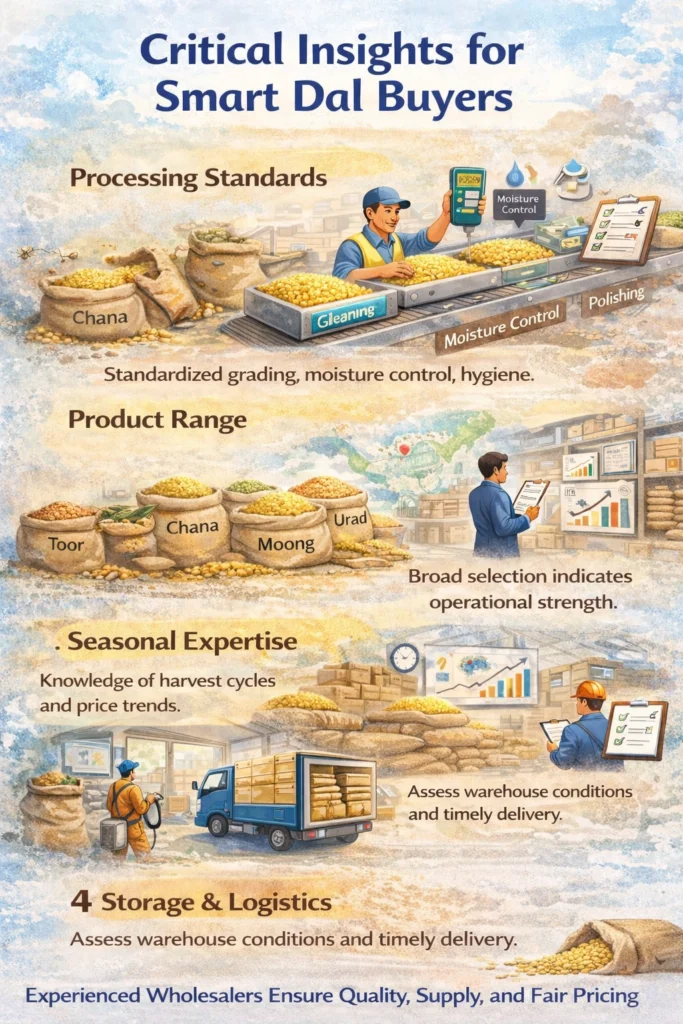
Insight 3: Processing Standards Affect Shelf Life and Performance
Dal quality is shaped by cleaning grading moisture control and handling practices. These steps directly influence shelf life cooking performance and customer satisfaction.
A dependable dal wholesaler follows defined processing standards and closely monitors:
Moisture levels
Broken grain ratios
Cleanliness and sorting accuracy
Buyers should evaluate samples from multiple batches over time to confirm consistency rather than relying on a single shipment.
Insight 4: Product Range Reflects Operational Strength
An established dal wholesaler typically handles multiple dal varieties and grading options. This reflects strong supplier relationships sufficient storage capacity and sound demand planning.
A limited or unstable product range may indicate supply constraints. Buyers benefit from wholesalers who can meet changing market demand without compromising quality or availability.
Insight 5: Seasonal Knowledge Protects Buyers From Volatility
Dal pricing changes throughout the year due to harvest cycles, weather conditions, transportation costs and policy decisions. Experienced wholesalers understand these patterns.
A knowledgeable dal wholesaler plans inventory around these cycles and advises buyers on purchase timing. This reduces exposure to sudden price increases and shortages.
Insight 6: Storage and Logistics Define Reliability
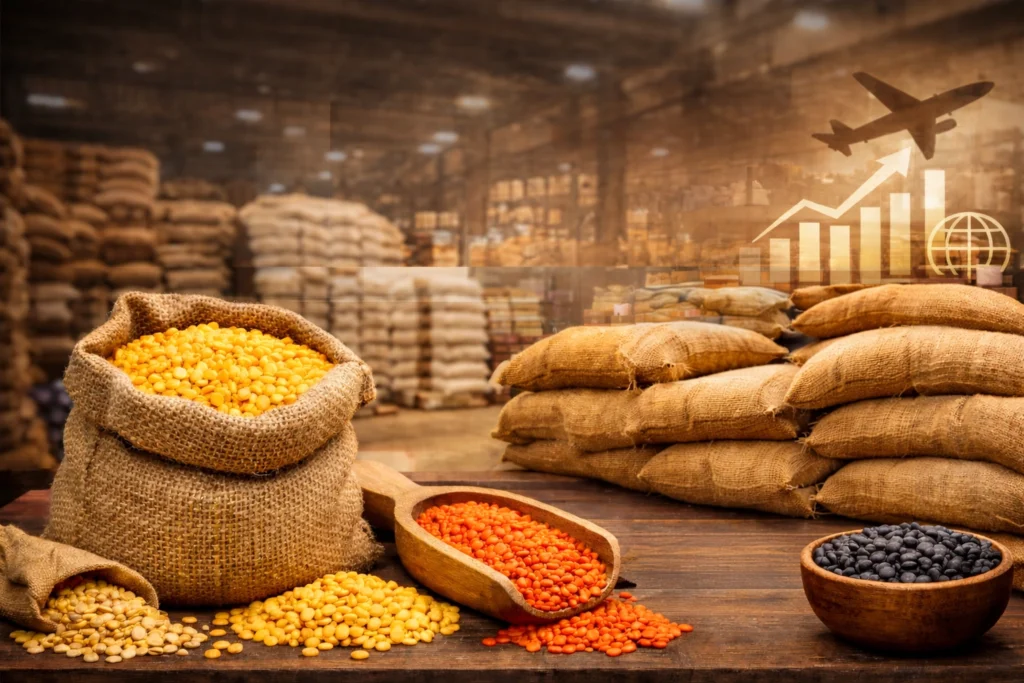
Even high quality dal can deteriorate if storage conditions are inadequate. Professional wholesalers invest in dry ventilated warehouses and follow strict hygiene and pest control practices.
Reliable delivery depends on:
Proper storage environments
Efficient dispatch processes
Trusted transportation partners
Buyers should assess delivery consistency particularly during peak demand periods.
Insight 7: Pricing Transparency Builds Trust
Ethical dal wholesalers explain pricing clearly. Costs are based on sourcing, processing, storage, packaging and transport.
Red flags include:
Unexplained price changes
Hidden charges after confirmation
Inconsistent communication
Transparent pricing allows buyers to plan margins accurately and build long term confidence.
Insight 8: Consistency Is More Valuable Than Short Term Discounts
Occasional low prices may look attractive, but inconsistent quality or delivery creates long term problems. Buyers who prioritize stability experience fewer disruptions.
A dependable dal wholesaler delivers predictable outcomes. Over time, consistency protects brand reputation and operational efficiency.
Insight 9: Market Intelligence Adds Strategic Value
Experienced dal wholesalers track crop conditions, demand trends and regulatory changes. When shared proactively, this information helps buyers plan inventory and pricing.
A wholesaler who provides insights becomes a strategic partner rather than a transactional supplier.
Insight 10: Future Readiness Ensures Long Term Value
The dal trade continues to evolve. Quality expectations, logistics efficiency, and compliance requirements are increasing.
Forward thinking dal wholesalers invest in:
Better storage systems
Digital inventory tracking
Scalable logistics processes
Buyers aligned with future ready partners are better positioned for growth and regulatory change.
Frequently Asked Questions (FAQs)
1. What exactly does a dal wholesaler do in the supply chain?
A dal wholesaler sources dal in bulk manages storage and logistics coordinates processing and supplies consistent quantities to retailers institutions and food businesses. Their role is to stabilize supply manage seasonal risk and maintain quality consistency.
2. How is a dal wholesaler different from a broker or trader?
A wholesaler holds inventory invests in infrastructure and assumes supply risk. Brokers and traders typically do not hold stock and focus on short term transactions.
3. How can buyers evaluate dal quality before purchasing in bulk?
Buyers should review samples from multiple batches confirm moisture levels check broken grain percentages and understand cleaning and grading processes.
4. Does direct sourcing always guarantee better quality?
Not always but structured sourcing channels usually improve traceability and consistency. Reliable wholesalers combine sourcing discipline with strict quality checks.
5. How often do dal prices fluctuate?
Dal prices change seasonally and may also be affected by weather conditions policy decisions and transportation costs. Experienced wholesalers help buyers plan around these shifts.
6. What are common red flags when dealing with a dal wholesaler?
Inconsistent quality poor communication unexplained price changes and lack of transparency around sourcing or storage practices.
7. Is it better to work with one wholesaler or multiple suppliers?
Many businesses use a primary wholesaler for consistency and a secondary supplier for risk management during shortages or price volatility.
8. How important is storage quality in dal wholesaling?
Storage quality is critical. Poor storage can lead to moisture issues pest infestation and reduced shelf life.
9. Can small retailers benefit from professional wholesalers?
Yes. Small buyers benefit from stable supply predictable quality and access to market insight.
10. What role does packaging play in wholesale dal quality?
Packaging protects dal during storage and transport. Buyers should confirm that packaging is suitable for long distance transport and extended storage.
11. How should buyers handle disputes related to quality or delivery?
Clear agreements documented specifications and sample approvals help reduce disputes. Professional wholesalers address issues promptly.
12. How often should buyers review their wholesaler relationship?
At least once a year reviewing quality consistency pricing fairness delivery reliability and communication.
13. Are certifications necessary when choosing a dal wholesaler?
Certifications are helpful but consistent performance transparency and strong references are often more important.
14. How do dal wholesalers add value beyond supply?
They provide market insight seasonal guidance inventory planning support and risk buffering.
15. What makes a dal wholesaler suitable for a long term partnership?
Reliability transparency consistent quality ethical pricing and future readiness.
Conclusion
Selecting the right dal wholesaler is a strategic decision that influences product quality, pricing stability, operational efficiency and long term business growth. As this guide has shown, smart buyers look beyond short term pricing and evaluate wholesalers based on sourcing integrity, processing standards, logistics capability, transparency, consistency and future readiness.
The 10 proven insights outlined in this guide provide a practical framework for making informed decisions. Buyers who apply these principles reduce supply risk, protect margins and build stronger, more resilient supply chains. Over time, these advantages translate into better customer trust and sustainable growth.
In a market where reliability matters as much as cost, working with an experienced and transparent partner is essential. Businesses seeking a dependable dal wholesaler can consider Dashmesh, a supplier known for consistent quality, structured sourcing practices, and a long term partnership approach. Choosing the right wholesaler is not just about today’s transaction. It is about building a foundation for continued success.